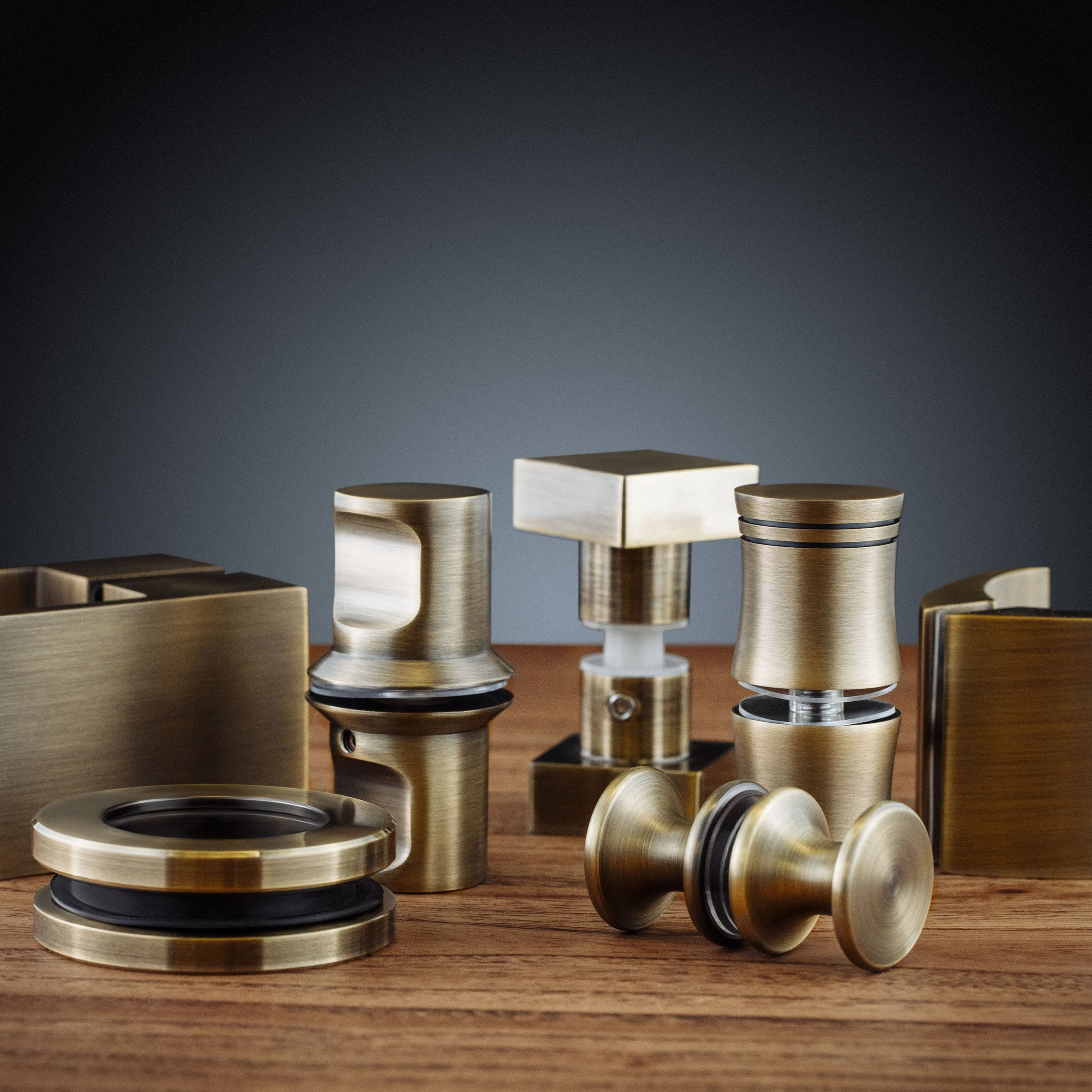
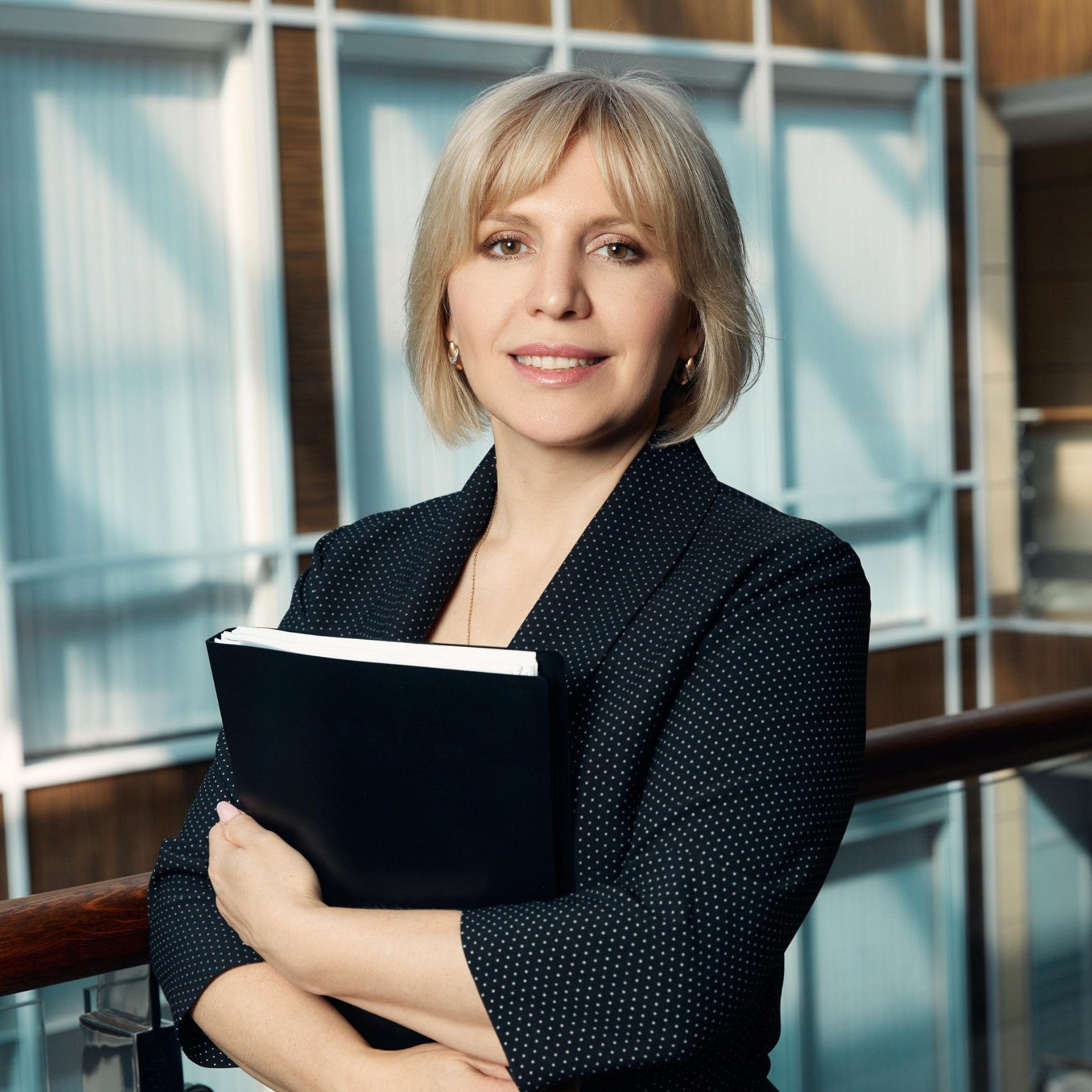
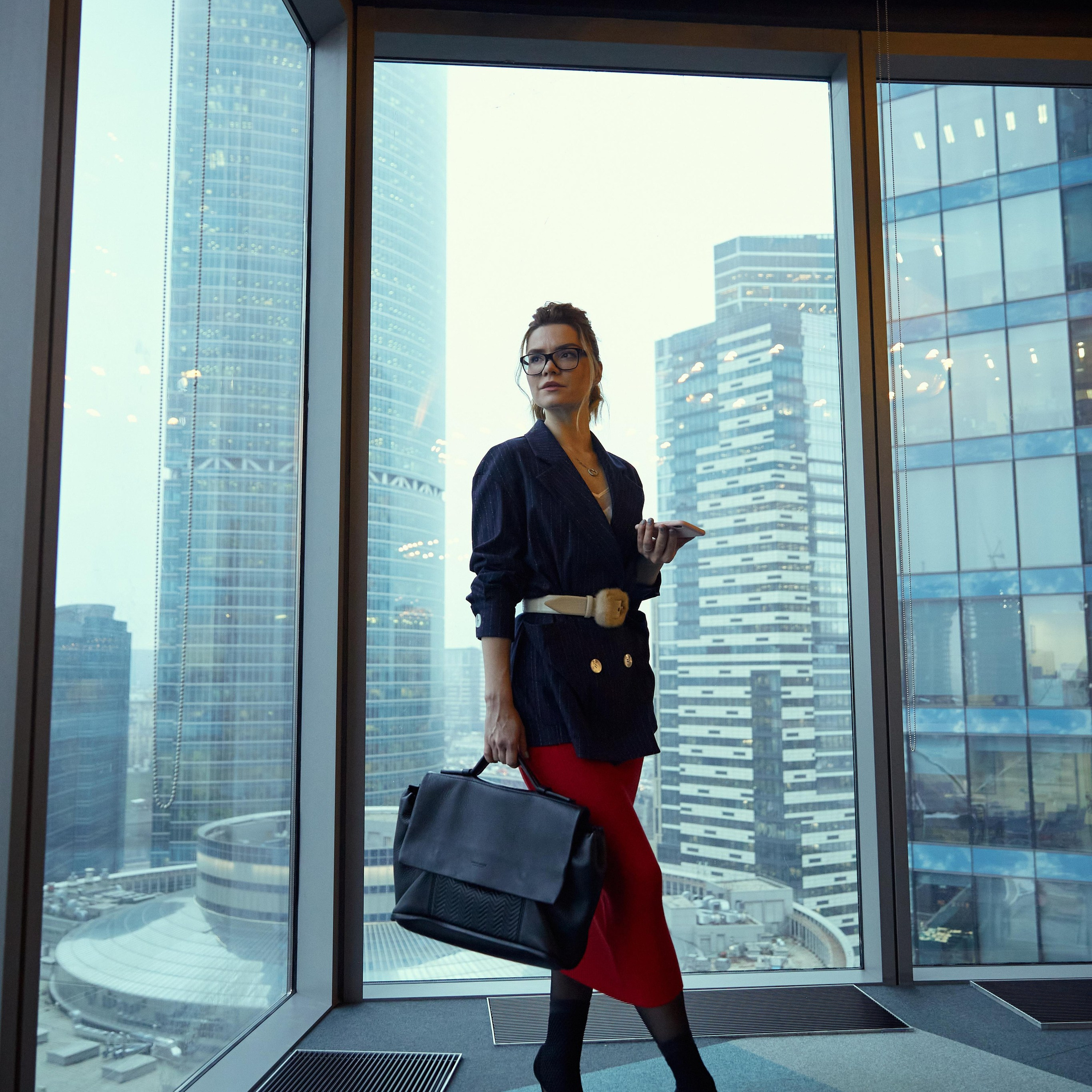
The word “content” in the job title is misleading. It sounds like a content photographer is simply a photographer who shoots a lot. The real difference lies elsewhere: they work from the task the shot will serve, not from a beautiful frame.
Let me explain what that means in practice, who genuinely needs this specialist — and when you don’t.
How a Content Photographer Differs from Other Specialists
| Type of photographer | What they solve | The result |
|---|---|---|
| Portrait | one good portrait | 1–10 frames, often in a consistent style |
| Product | showing the product | a catalogue, usually on a white background |
| Reportage | recording an event | a gallery in event chronology |
| Content photographer | covering the company's channels | a set of frames across genres for the website, social media and advertising |
The key difference is that they hold several channels in mind at once and shoot so that the frames don’t repeat each other and don’t go stale within a month.
Four Signs That Identify a Content Photographer
Work begins with a brief, not a moodboard. Before the shoot you discuss where the photographs will be placed and what text will sit next to them. A strong specialist asks not “what style do you like” but “what should be on screen when someone scrolls their feed on a phone”.
One shoot produces several formats. A horizontal frame needs a vertical crop for stories, a square for a product card and a wide shot for a banner. If the photographer delivers only the native size, the client makes the crops — and loses the composition.
The shoot is planned in blocks. Content is needed regularly, so frames are shot in batches: one shooting day covers several weeks of publishing.
Editing is brought to a consistent look. The gallery has to feel whole, otherwise the feed turns into a collage of different periods and different gear.
Who Needs a Content Photographer
Small and mid-sized businesses without an in-house photographer. A shoot once a quarter is more predictable than one-off orders from a new specialist each time — one who knows neither the product nor the brand’s tone of voice.
Experts and entrepreneurs. A personal brand demands a constant supply of visual material: work in progress, talks, the team, behind the scenes.
Companies redesigning their website. Stock photography and images “off the internet” erode trust: visitors register the difference between a real office and a picture from a stock library.
Brands with regular production. When the product line updates but the content is left over from last season, clients notice.
When You Don’t Need One
To save you paying for the wrong thing, let me be blunt. If the task is one-off — a single product card, a single portrait for a CV — you’re better off hiring a product or portrait photographer. If you need an event covered, you need a reportage specialist. A content photographer is justified where you need a varied set of frames for regular publishing.

What the Deliverable Should Include
Check that your agreement covers four points:
- A shot list. A list of frames agreed before the shoot: not “portraits and details”, but specific scenes and angles.
- Crops for each channel. Vertical, square and horizontal as separate files.
- Editing to fit the task. Colour correction and retouching brought to a consistent look.
- Usage rights. Clear terms on where the images can be published: website, social media, advertising, print.
Five Questions Worth Asking
- “Show me a project where one shoot produced several months of content.” If there’s no such case, they probably shoot one-offs.
- “What do you need from me besides a date and an address?” A strong photographer will name the brief, the shot list, the product, access to the premises and the schedule.
- “How do you deliver the files?” An answer of “a link to a drive, at native size” means you’ll be doing the crops yourself.
- “Who prepares the looks and the props?”
- “What happens to the archive in a year?”
What to Consider in Moscow
Content shoots in Moscow usually happen in one of three places: at the office or on the production floor, in a showroom, or in a rented studio. Each has its own constraints — light, floor space, parking, access hours, and pass clearance in business centres. A photographer who knows the location spends less time scouting, and the day doesn’t disappear into hunting for angles.
If you’re planning a shoot and aren’t sure of the scope, write to me: what the business is, where you’ll place the photos and how often you publish. I’ll tell you how many frames and which formats make sense in your case.
Need photos for your business?
I’ll help you put together a list of the shots you need, choose the right shooting format, and organise a shoot of your staff, office, production or product. If you have a website or a prototype, send me the link — we’ll go through the pages and work out which photos are missing right now.