

The main problem with social media content isn’t photo quality — it’s not having photos when you need them. A post is due today, and there’s been nothing fresh since last quarter. Then comes the search through an old gallery, then phone snapshots, then stock — and the account loses its coherence.
The fix isn’t heroic weekly shoots; it’s planning. Here’s how to calculate volume and organise batch shooting.
How to calculate how many frames you need
Start with arithmetic, not inspiration.
- Posting frequency. How many posts a week you can genuinely sustain — not in an ideal month, but in a busy one.
- The photo share. What portion of posts is visual, rather than text, video or reposts. Usually half to two-thirds.
- The horizon. How many weeks of buffer you want. Eight to twelve is sensible.
- The reserve. Add a quarter on top: some frames won’t work out, some go to other platforms.
Example: five posts a week, three of them with a photo, a twelve-week buffer. That’s 36 frames plus a reserve — around 45. That’s one shooting day, not twelve separate sessions.
Why batch shooting pays off
A consistent visual tone. Frames from one shoot share light, background and processing. The feed reads as one whole rather than a collage of different periods.
Less logistics. One trip, one lighting setup, one day agreed with the team. Every separate shoot means new travel, new preparation and new approvals.
People get used to the camera. Over a shooting day, staff relax, and the second half of the frames usually feels livelier than the first.
Easier to refresh. With an archive, an old frame can be reshot in a new context or reused with different copy — and the feed doesn’t look stuck.
What to shoot for social media
Social media isn’t the place for a catalogue. Four types of frame work:
- Process. People at work, production, preparation. This is what competitors don’t have sitting ready.
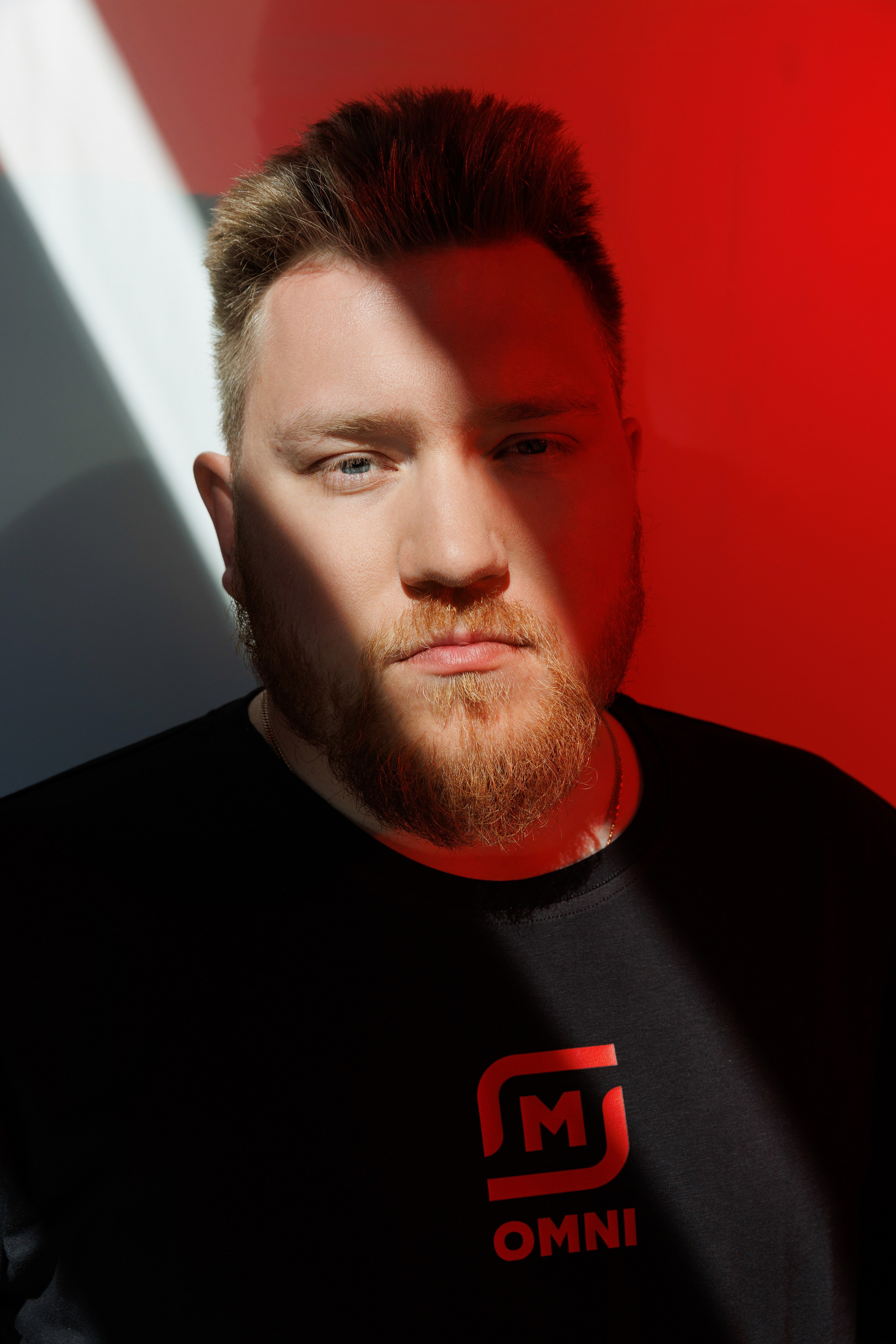
- Faces. Experts and the team are the foundation of trust, especially in services.
- Details and atmosphere. Textures, tools, the workspace — they fill the feed and break up portraits.
- Scenes for copy. Frames with open space where a post headline can sit.
Shoot vertical separately: most platforms display content on a phone, and a horizontal frame occupies less space in the feed.


How to store it and not lose it
Set up a simple structure: a folder per shoot date, with three subfolders inside — “selected,” “crops,” “archive.” Name files with the date and subject, not IMG_4821. In six months this saves hours of searching.
Keep event photos and working frames in separate places: they have different lifespans. Event coverage goes stale faster than a portrait or a product shot.
What to discuss with the photographer before the shoot
- How many posts a week and how far ahead you need the buffer.
- Which platforms: social media only, or the website and ads too.
- Who writes the copy and whether you need frames with space for headlines.
- How often you plan to repeat the shoot — quarterly, twice a year.
- Who is responsible for outfits, props and access to the premises.
The costliest mistake
Skimping on volume. A ten-frame shoot covers two weeks, and then the cycle starts over — new search, new approvals, new costs. One well-planned shooting day covering several months of content almost always beats a series of small sessions.
If you want to know how many frames your account actually needs and in which formats, write to me with how often you post, your niche and how far ahead you want the buffer. I’ll work out the volume and tell you what to shoot first.
Need photos for your business?
I’ll help you put together a list of the shots you need, choose the right shooting format, and organise a shoot of your staff, office, production or product. If you have a website or a prototype, send me the link — we’ll go through the pages and work out which photos are missing right now.