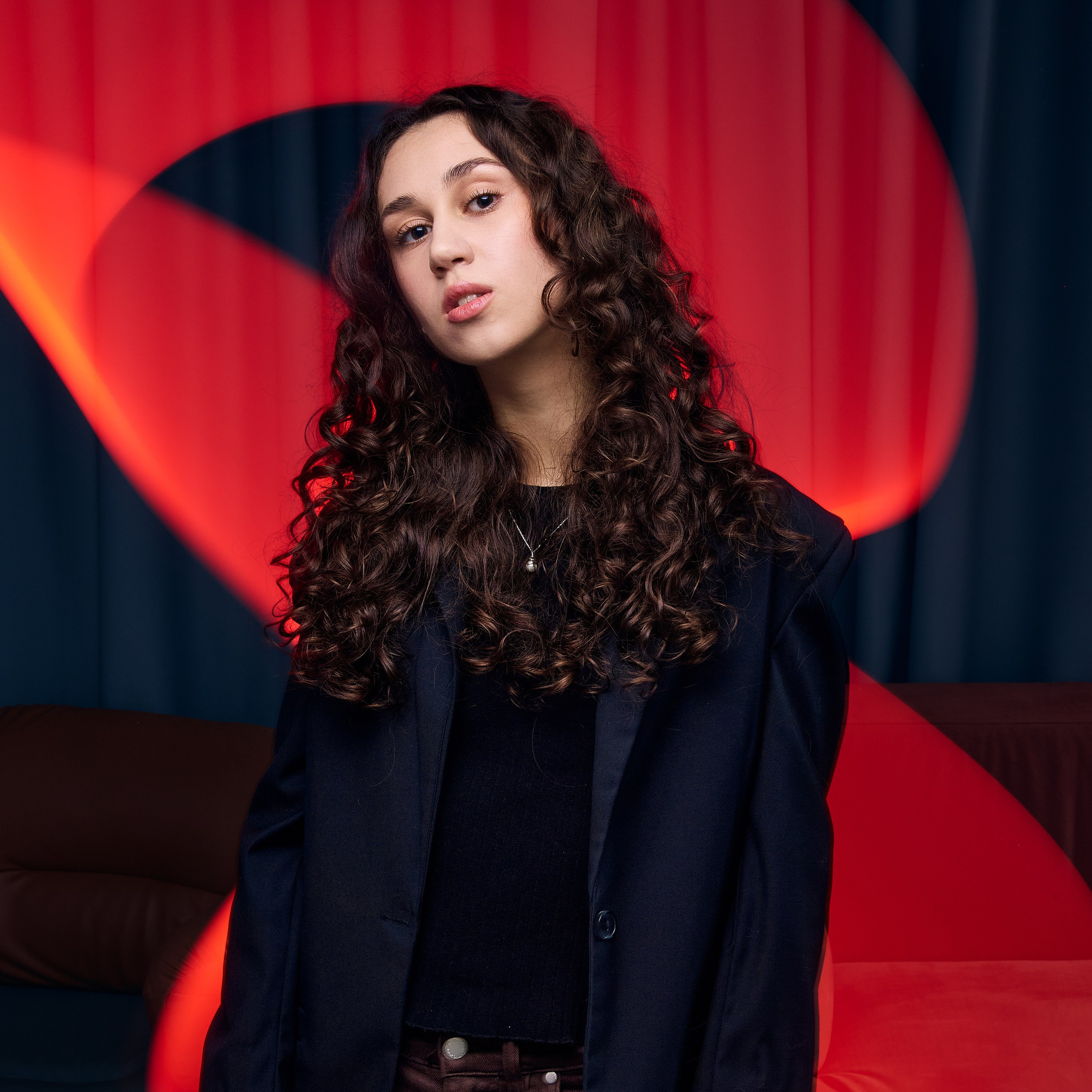
There are plenty of photographers who shoot well. There are noticeably fewer who understand why a company needs these particular frames. The difference shows up not in the portfolio but at the briefing stage: one asks what light you like, the other asks where the photographs will be placed and what they need to sell.
Below: what a business photographer’s service includes, and how to identify the right person before you pay a deposit.
Which Tasks a Business Photographer Covers
| Task | What gets shot | Where it goes |
|---|---|---|
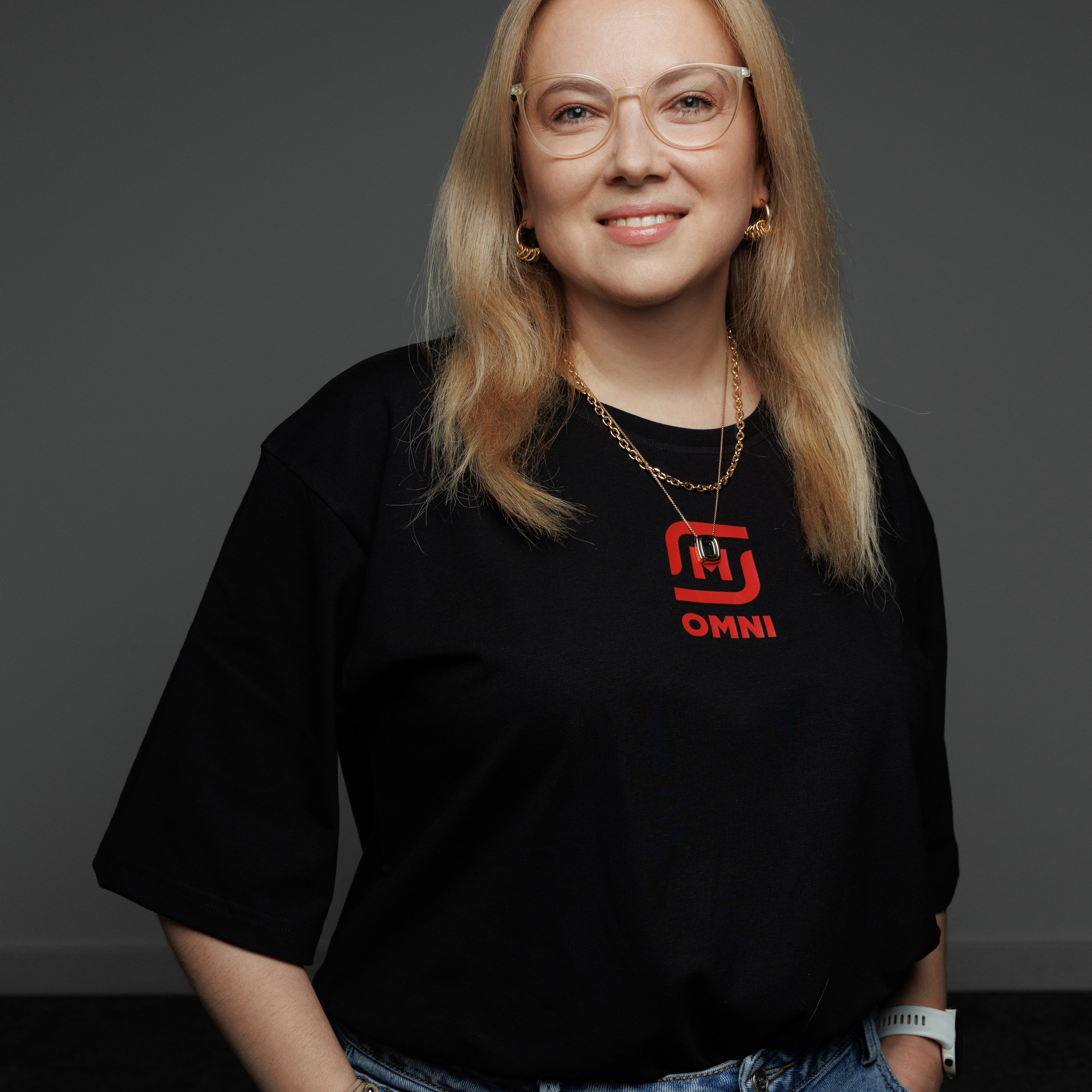
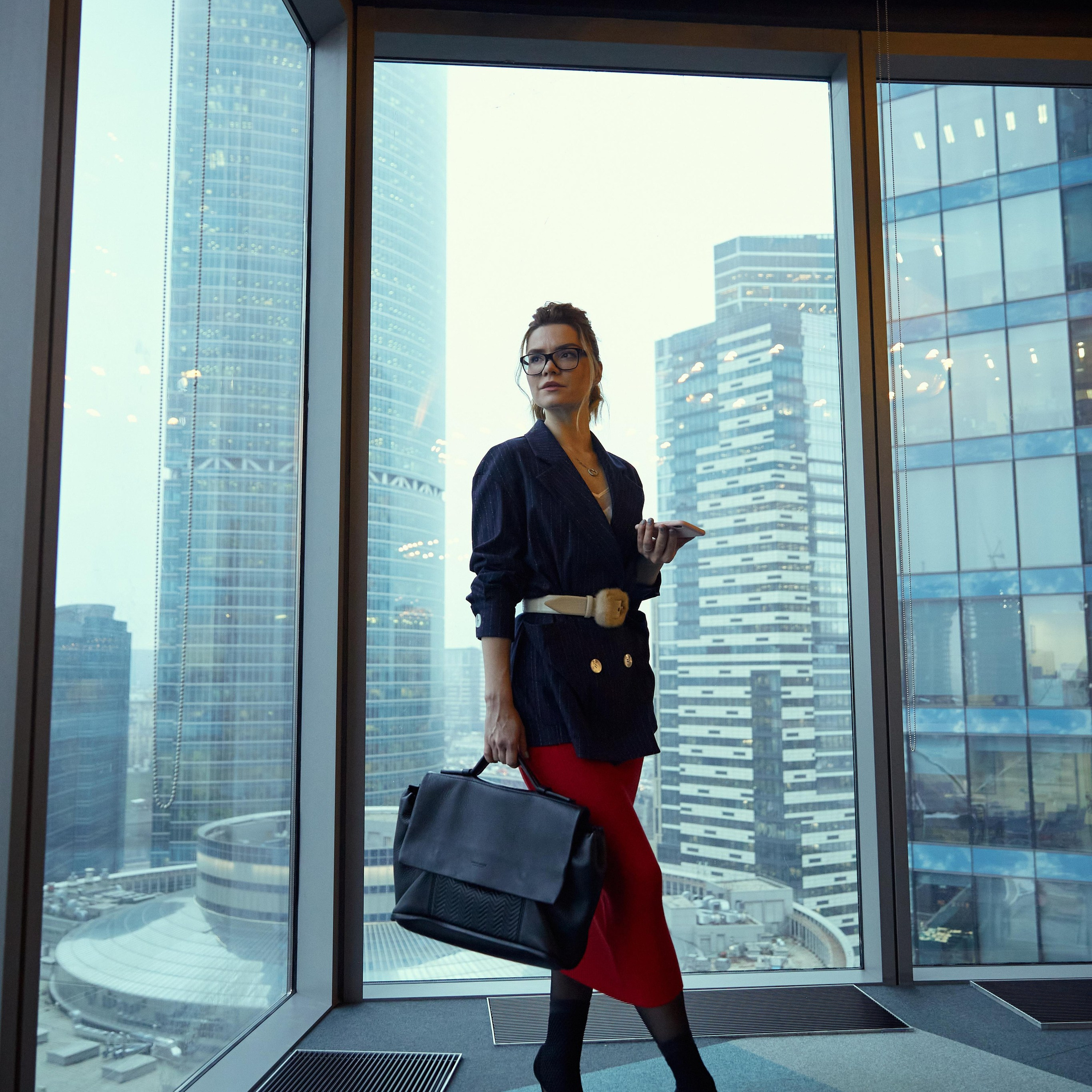
| Executives and experts | portraits in a business style | website, press, conferences |
| The team | group shots, scenes of people working | the "About us" section, HR |
| The office | spaces, meeting rooms, details | website, presentations, leasing |
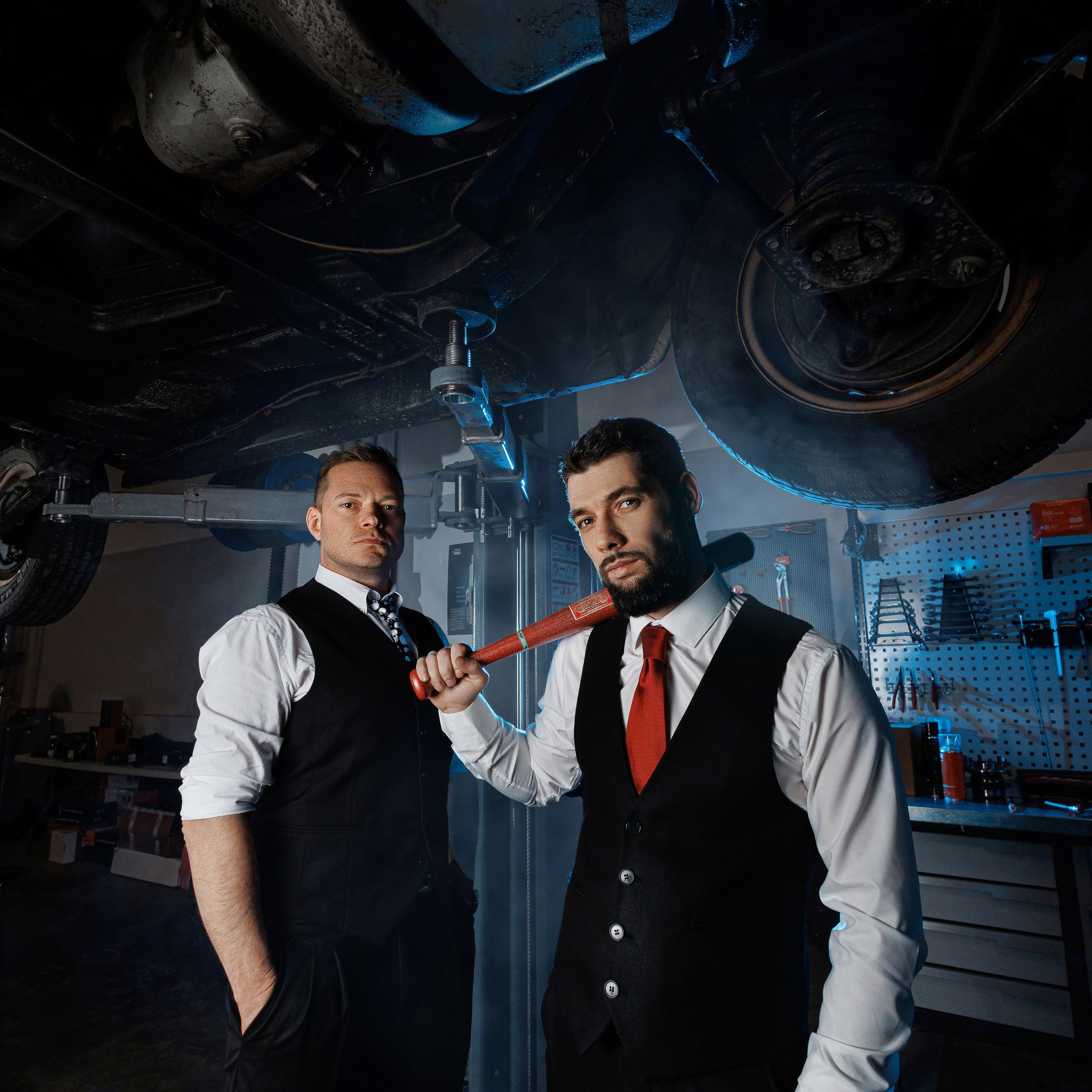
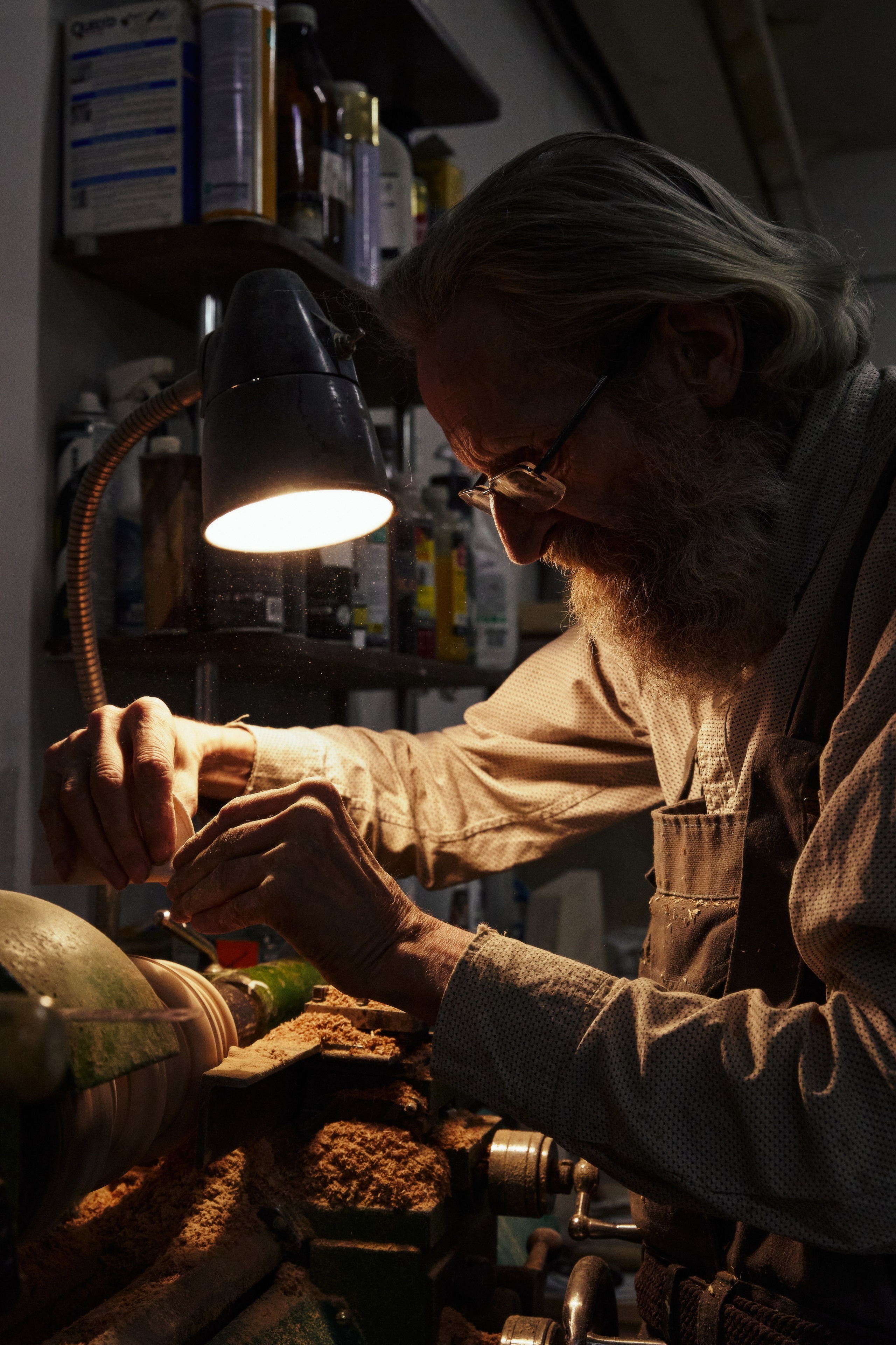
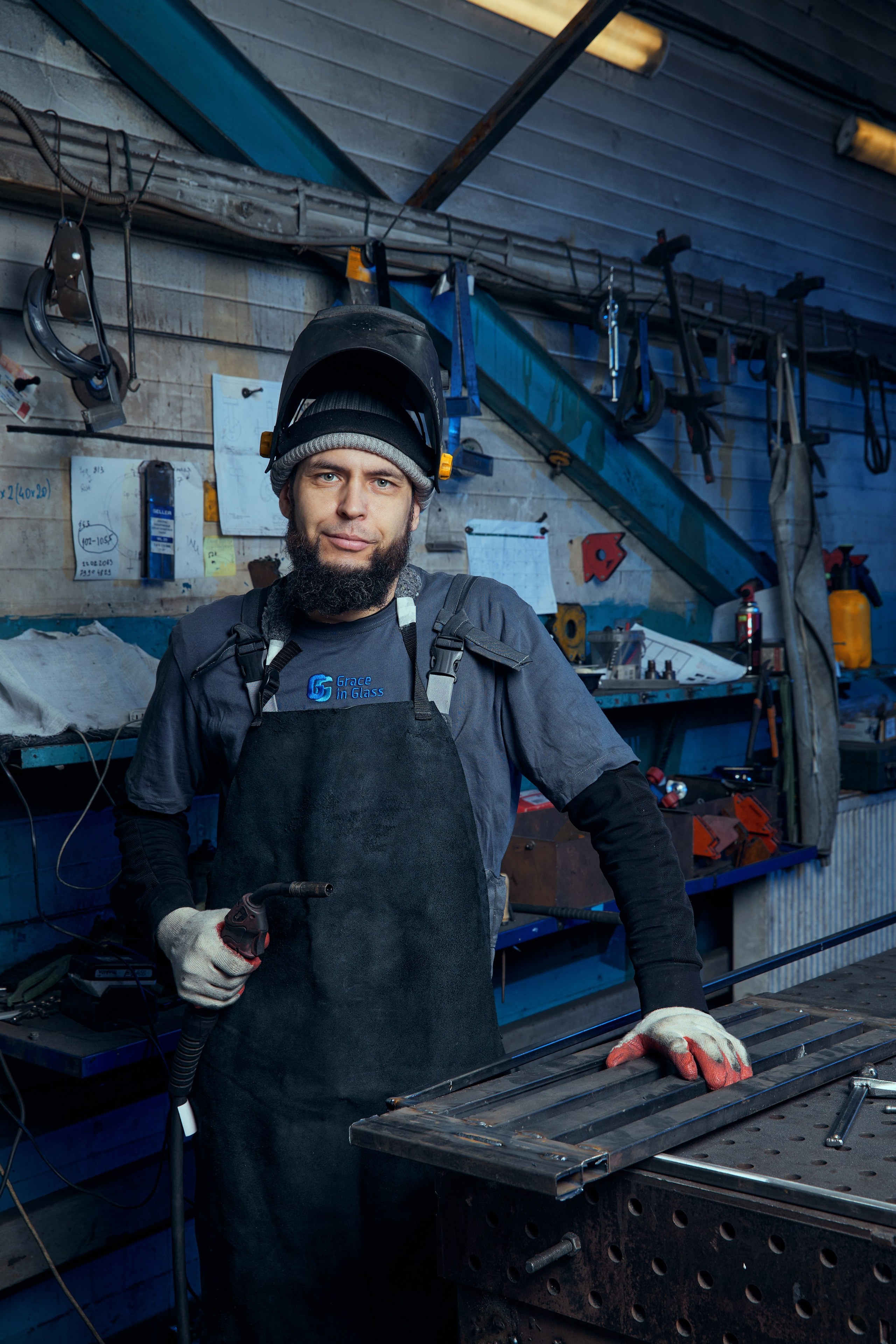
| Production | the shop floor, equipment, people at work | website, tenders, reports |
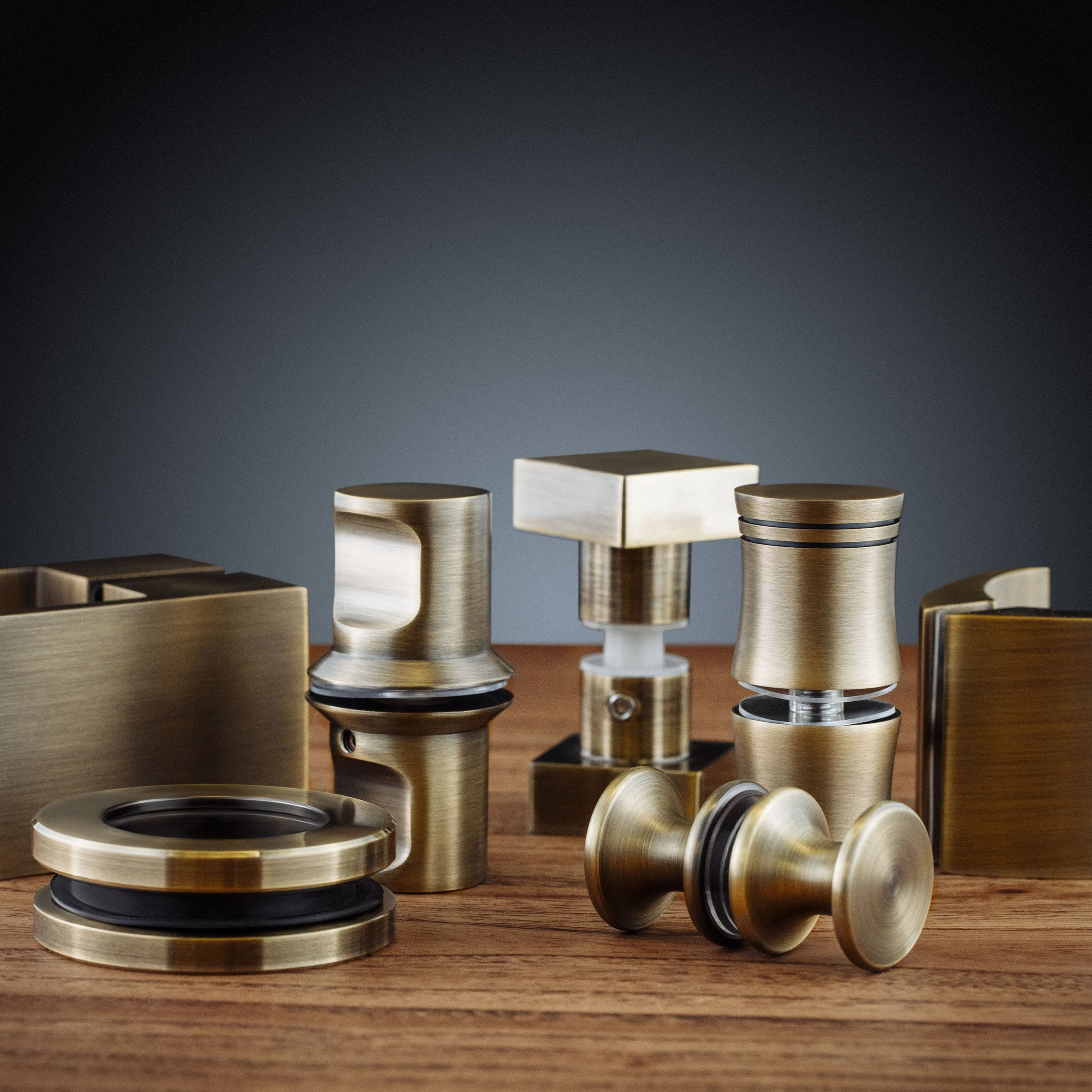
| The product | product and lifestyle frames | catalogue, marketplaces, advertising |
An important point: a business photographer isn’t necessarily one person covering all five rows. But they should say honestly what they shoot themselves and where they’ll bring in a colleague. An answer of “I’ll shoot everything” with no detail is a reason to be wary.
How a Business Photographer Differs from a Content Photographer
The line is thin, but it exists. A business photographer solves the task of “showing the company and the people in it” — portraits, the team, the space. A content photographer works with regularity: what matters is that the frames last for months of publishing and that they add up to a coherent feed. Often it’s the same specialist, but the tasks and the way the work is planned differ.
How the Work Is Structured
1. The brief. What the company sells, who the audience is, where the photographs will be placed, what already exists in the archive.
2. Concept and moodboard. Agreeing the visual direction before the shoot: light, background, clothing, mood. This is the cheapest stage at which to change something.
3. Preparation. Shot list, list of participants, looks, props, access to the premises, schedule.
4. The shooting day. Lighting setup, blocks of frames, pauses for costume changes. People who were warned in advance look more relaxed on camera — and that isn’t something retouching can fix.
5. Editing and delivery. Colour correction, retouching, crops for each channel, the archive.
What to Look For in a Portfolio
Not just the best frames. One lucky gallery proves nothing — individual images can be cherry-picked from hundreds.
Look at two or three complete projects and pay attention to three things:
- whether there are wide shots and details, not just tight faces;
- whether the quality holds across the whole gallery;
- whether it’s clear the photographer understood how the company they shot is structured.

What to Ask at the Meeting
- “How many people have you shot in one day, and how did you organise it?”
- “What does editing include, and how many retouched frames will I get?”
- “What do you need from us besides a date and an address?”
- “How do you work with someone who hates having their picture taken?”
- “Who owns the rights to the photographs?”
What Affects the Price
I break this down in a separate article, but in short: shooting time, the number of participants, the complexity of the location, concept development, the volume of retouching and the deadlines. The full breakdown is in “How Much Does a Business Photographer in Moscow Cost”.
Moscow Specifics
Three factors most often eat into a shooting day: pass clearance at business centres, parking, and restricted access hours. On a production site you can add health and safety and getting clearance to shoot on the shop floor. These things get resolved in advance — otherwise the first hour goes not into shooting but into finding out who’s allowed onto the premises.
If you want to understand which photographs your company specifically needs, send me a link to your website. We’ll go through the pages and work out which shots are missing.
Need photos for your business?
I’ll help you put together a list of the shots you need, choose the right shooting format, and organise a shoot of your staff, office, production or product. If you have a website or a prototype, send me the link — we’ll go through the pages and work out which photos are missing right now.