Most beauty professionals have two hundred photographs of their work on their phone and not one decent photograph of themselves.
The problem is that a client can’t assess technique. They don’t know whether a nail apex is built correctly or whether the lash curl is right — they see a result with no basis for comparison. So they don’t choose on technique. They choose on a feeling: “I could trust this person with my hands, my face and two hours of my time.”
A portfolio answers “can they do it”. Content answers “can I trust them”. Most professionals have the first and almost never the second. Below is what to shoot.
An honest caveat
Photographs won’t replace reviews and word of mouth. In beauty, repeat clients decide everything, and no set of photographs rescues a professional whose clients don’t come back. Photography works at the entrance: it’s what makes someone message you at all. After that, the work decides.
And a second point, an important one. Beauty is the most visually crowded niche there is. There’s a lot of beautiful work out there, and one more tidy gallery of nails stops nobody. What stops someone is what others don’t have: the professional’s face, their hands, their room, and the sense that the place is clean.
Why a portfolio of work doesn’t sell
Work in a frame is a result with no context. The client sees a nail against a neutral background and doesn’t know:
- what it costs and how long it takes;
- what conditions it’s done in;
- who the person doing it is, and what you’d talk about for two hours;
- whether the place is hygienic;
- what it will look like on their own hands a week later.
None of these are answered by the work — they’re answered by what surrounds it. Which is why professionals who only have work photographs compete on price: they have nothing else to compete with.
Six groups of shots most people don’t have
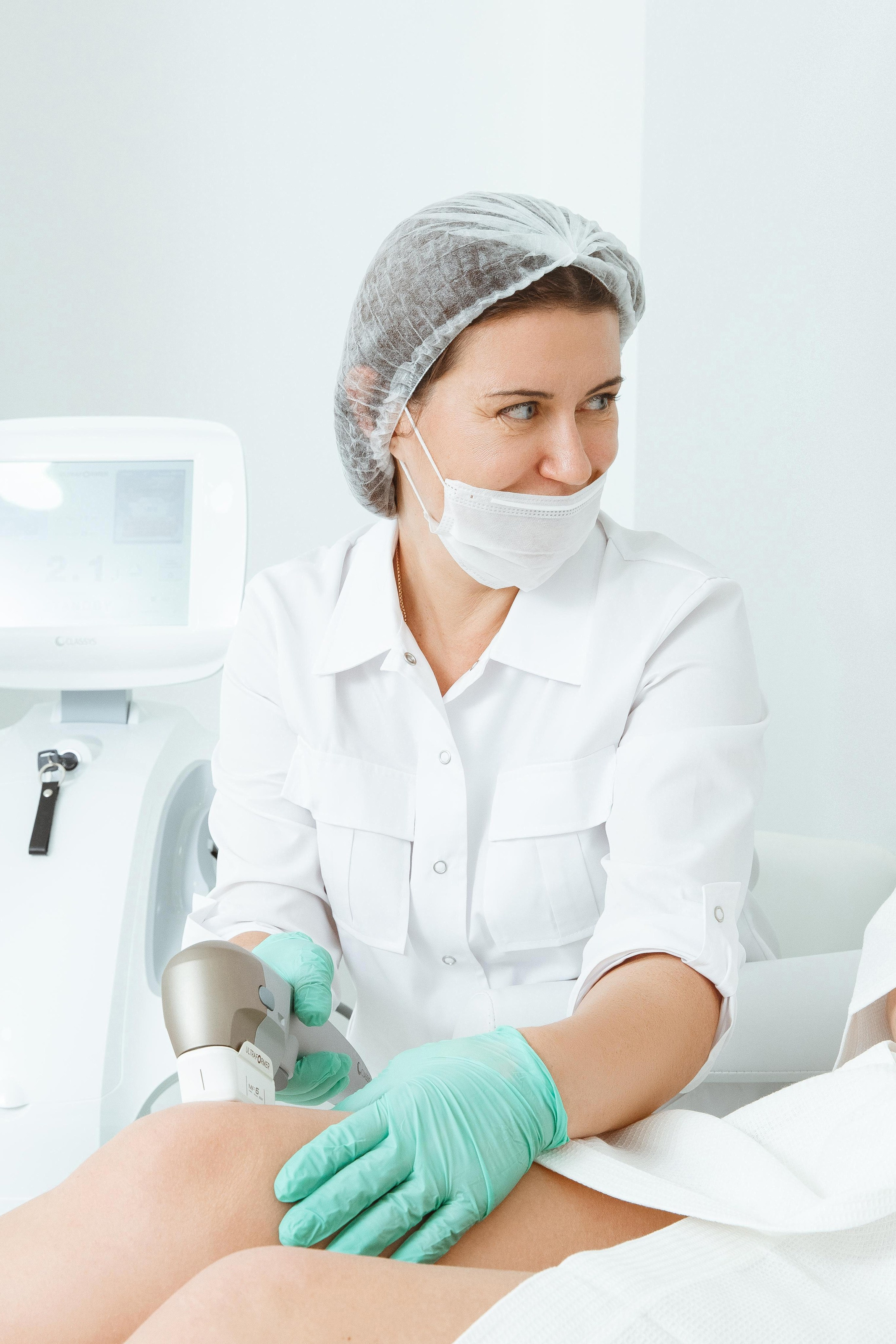
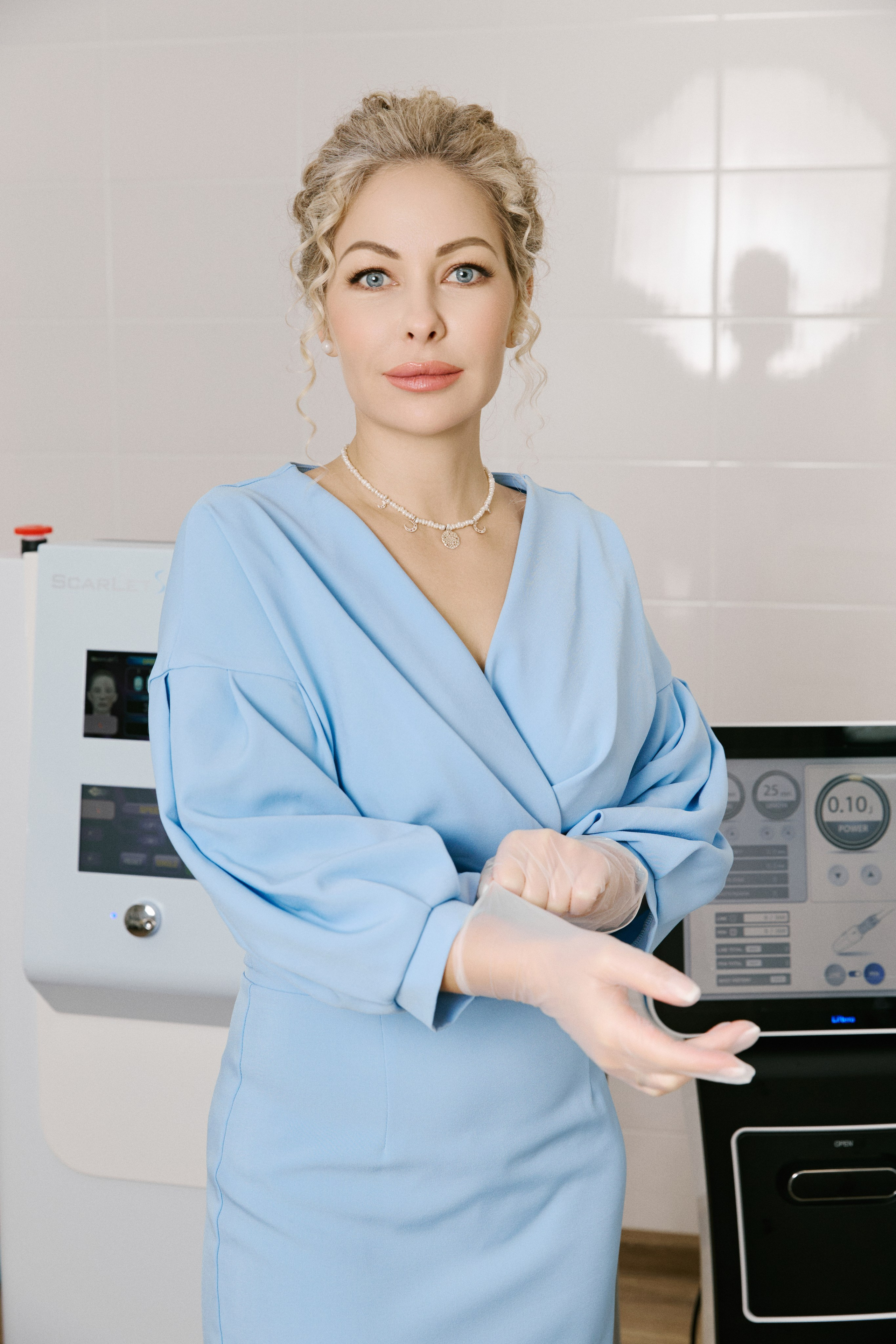
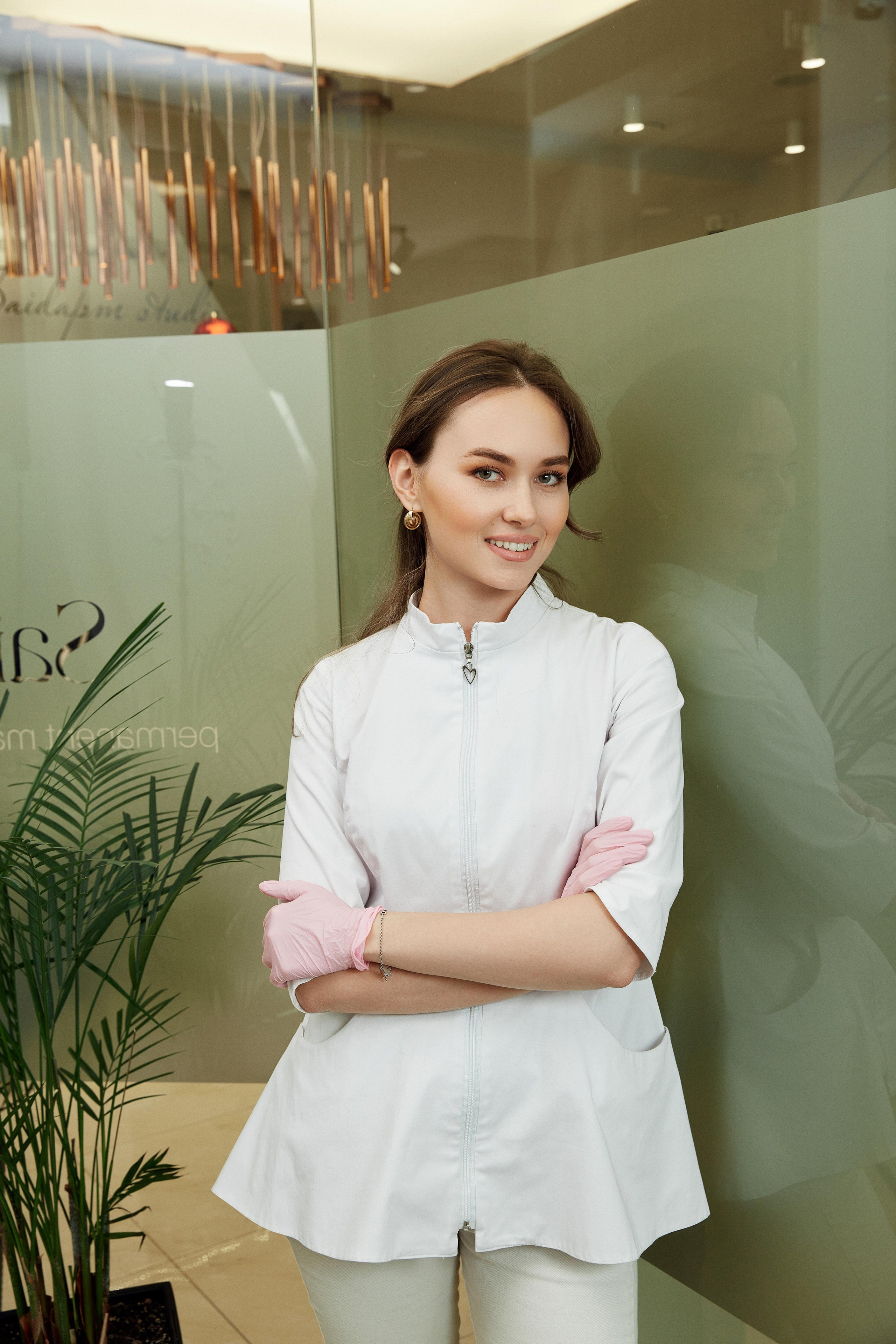
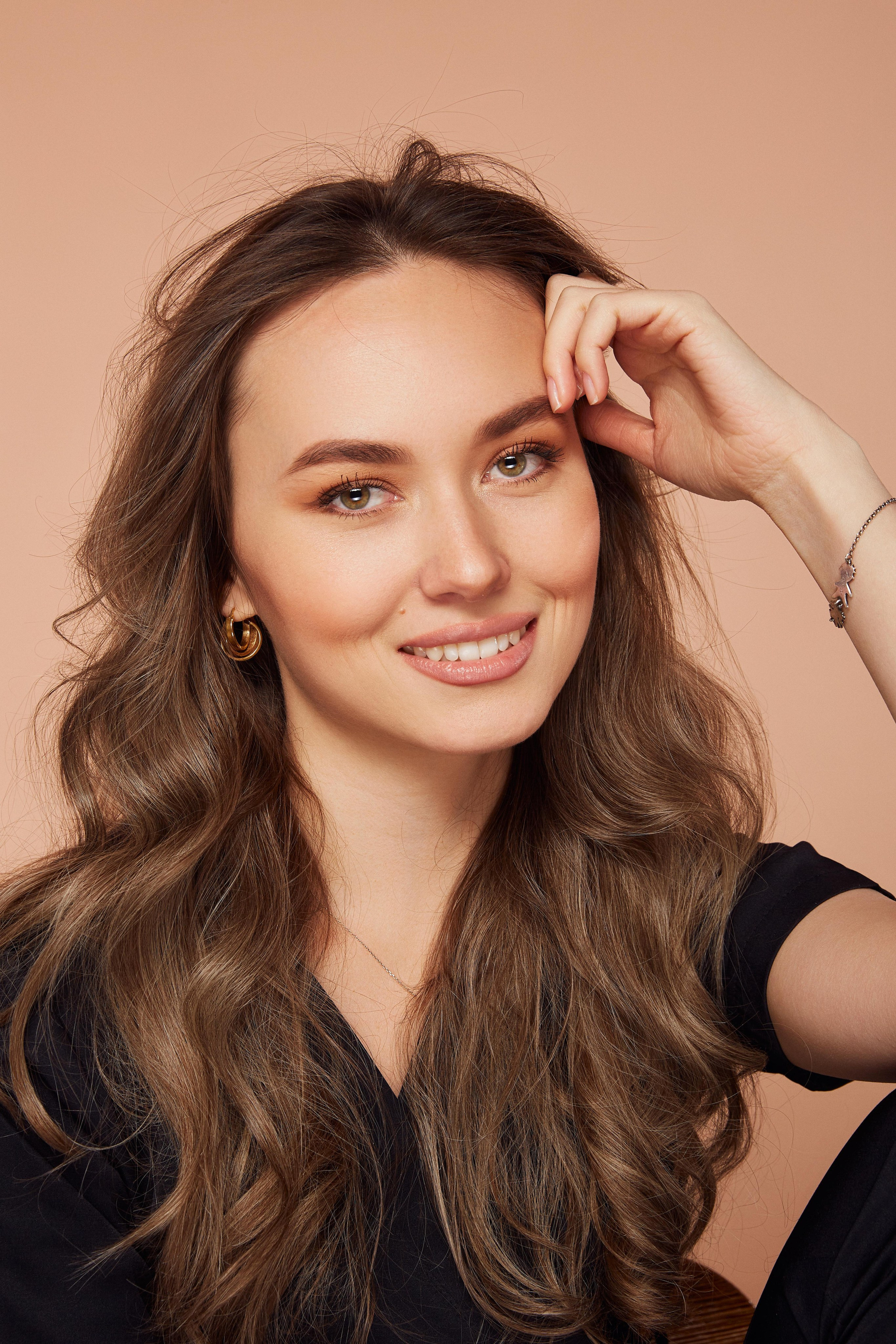
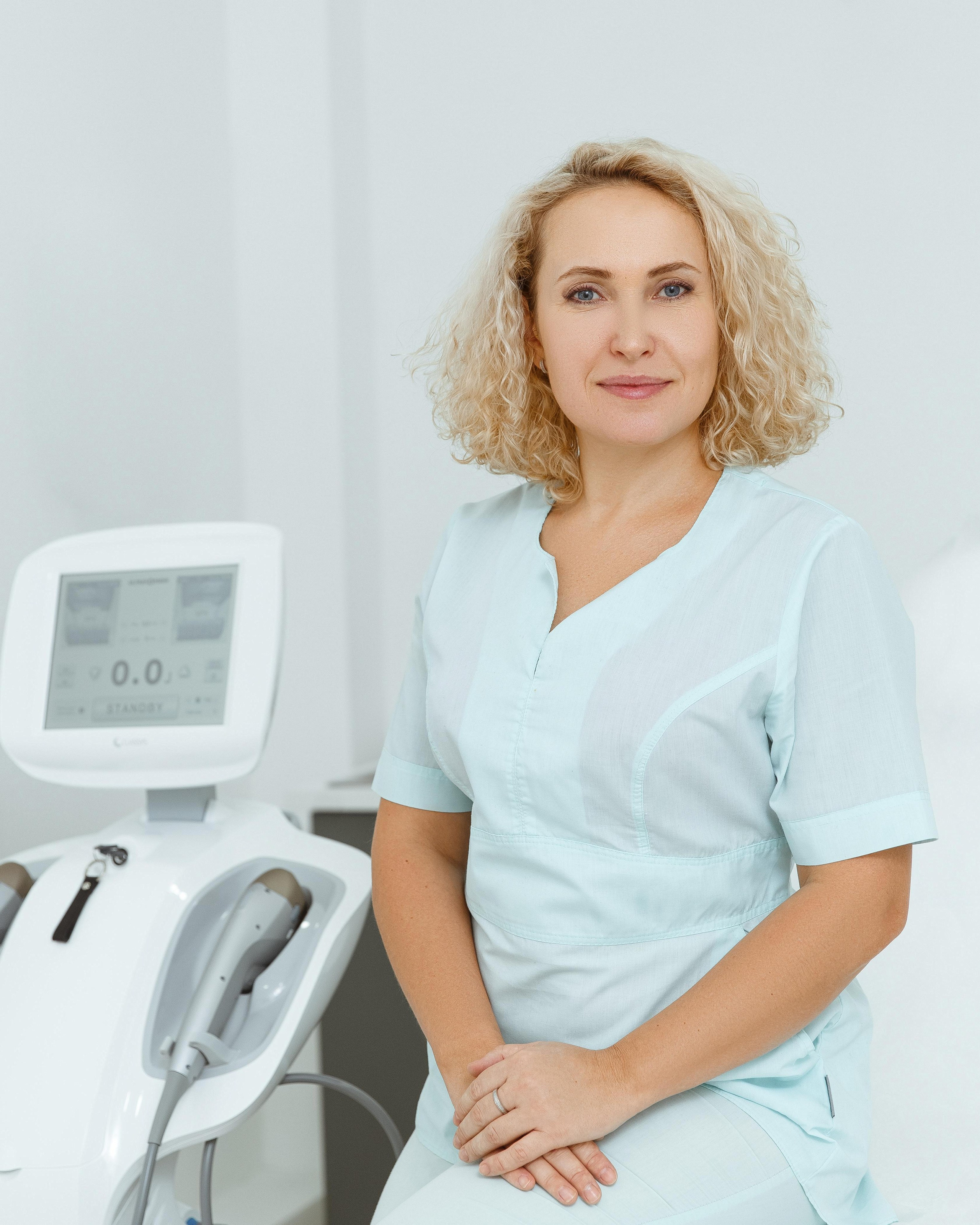
1. The professional in frame. Face, hands, how they dress, how they look mid-work. The most underrated shot in the niche. Clients choose a person, not a service — especially where faces and hair are involved.
2. The professional’s hands at work. Macro, tool in hand, precision of movement. This is proof of skill that doesn’t require the client to understand the technique.
3. Hygiene. Sterile pouches, the autoclave, single-use files, tool processing. In beauty this isn’t a dull behind-the-scenes shot — it’s one of the strongest sellers there is. People fear infection more than they fear a bad design.
4. The space. The room, the chair, the light, where the equipment sits, where a client leaves their bag. It answers “will I be comfortable there”.
5. Process and client. A person in the chair, the mood, the conversation, the moment they see the result. With consent — always.
6. Detail and texture. Macro of polish, the cut, a highlight, brush bristles, a palette. This is what holds attention in a feed and demonstrates the standard of care.
| Shot group | What question it answers | Where to use it | How to shoot it |
|---|---|---|---|
| The professional in frame | who exactly will be working with me | profile, about page, pinned stories | not a formal portrait — a person in their own setting |
| Hands at work | are they skilled, is the work precise | feed, reels, service page | macro, tool in the frame, no rush |
| Hygiene | is it safe here | stories, highlights, service page | sterile pouches, autoclave, tool processing |
| The space | will I be comfortable there | profile, website, booking page | wide frames of the room under working light |
| Process and client | what the appointment is actually like | social media, testimonials | only with the client’s written consent |
| Detail and texture | what standard of care you work to | feed, covers, advertising | macro, even light, clean background |
What to shoot in your niche
The general set is one; the emphases differ. Below is what actually works in each specialism.
| Niche | What to shoot beyond the work | The key shot | What to avoid |
|---|---|---|---|
| Manicure and pedicure | sterilisation, the work station, macro textures | the professional’s hands with a tool mid-work | a cluttered background with other people’s bottles |
| Lash extensions | the treatment bed and lamp, isolation, before/after | a close-up of the client’s eye under even light | shooting under a yellow lamp with no colour correction |
| Brows | mapping, tools, the process | the client’s face from one angle, before and after | different angles within the before/after pair |
| Hair and colour | the colouring process, hair texture, the work station | texture and shine in close-up | styled results only, with no process |
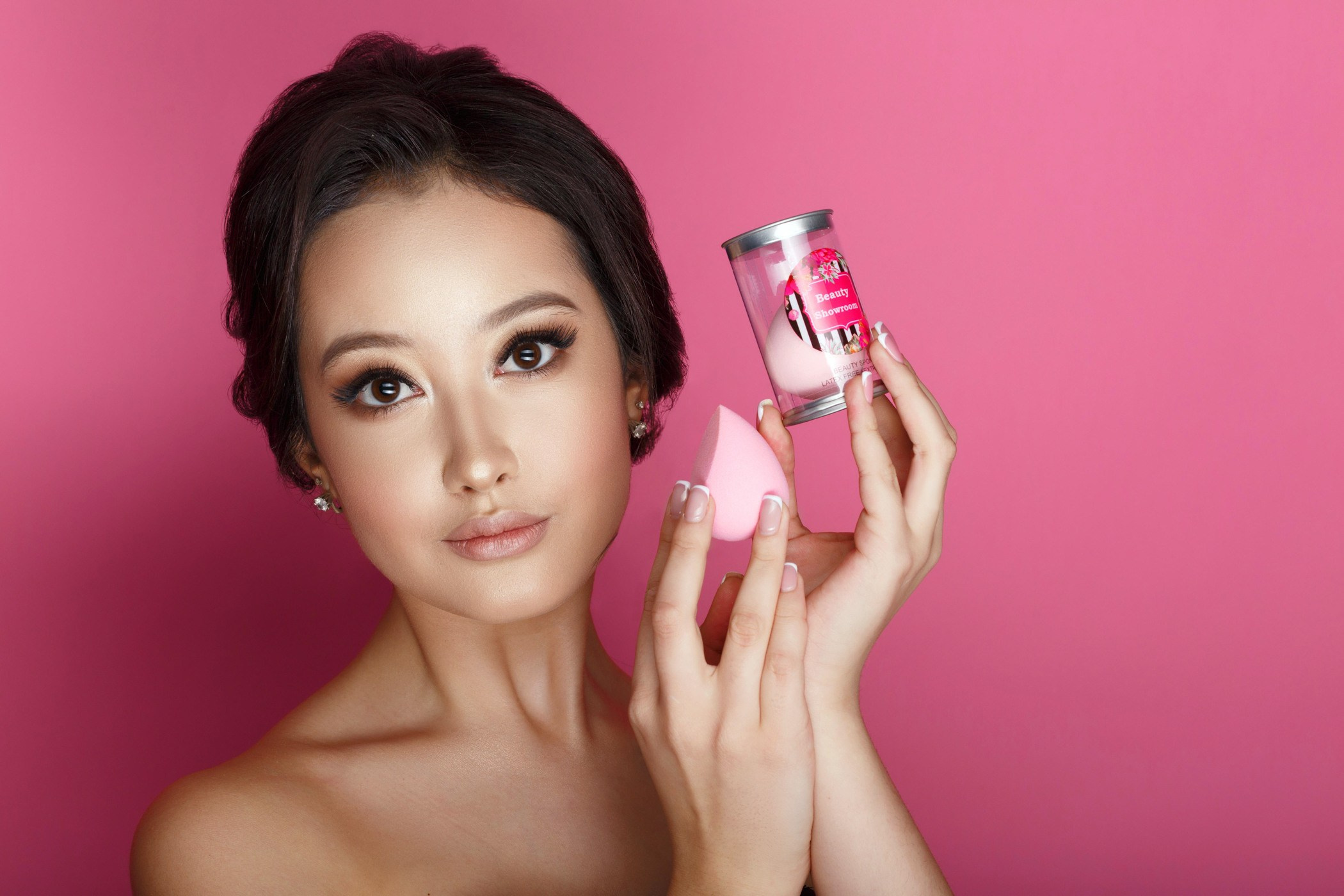
| Makeup | palettes, brushes, the process, the final portrait | the finished portrait in daylight | filters that destroy skin texture |
| Aesthetics and skincare | the treatment room, equipment, processing, protocols | the whole room, clean and in use | claims in the frame you can’t substantiate |
Before and after: how to shoot it so it works
The before/after pair is the most persuasive format in the niche and the easiest to ruin. If the light, angle or background differ between the two frames, the viewer reads the difference as a faked result — even when nothing was manipulated.
The rules are simple:
The same light. Both frames in the same place, at the same time of day, under the same source. Not “before” in the evening under a bulb and “after” in the morning by the window.
The same angle and the same distance. Mark a spot on the floor, or use a tripod. Thirty centimetres' difference changes the shape of a face and a hand.
The same background. The same wall, the same surface.
No filters. None at all. Especially on skin.
Shoot both frames the same day if you can. A second appointment means different light and a different person.
Filters are a trap specific to this niche
In beauty, heavy retouching feels normal: smooth the pores, even the tone, add some shine. The problem is that the client arrives expecting the result they saw in the photograph. If the image shows glass skin and real life offers ordinary skin, the disappointment lands on the spot — and the professional pays for it in reputation.
A sensible line: dust, stray hairs, accidental highlights and colour can go; skin should not be turned to plastic. Texture, pores, fine lines and natural relief are better left alone — they’re what makes it read as a real person rather than an advertisement.
Client consent
A client in frame is their face and their data. Written consent to publish has to be obtained before the shoot. A verbal “oh, it’s fine” isn’t enough: a month later the person may change their mind, and the photograph has already travelled.
What’s worth offering:
- a no-publication option — shoot for yourself and show only the result, without the face;
- frames without a face — hands, back of the head, a lash close-up, a shoulder; in beauty this works almost as well;
- the right to withdraw consent — people agree noticeably more readily when the clause is there.
If a client declines outright, that’s fine. Shoot hands and texture: the niche lets you cover your content without faces at all.
Rhythm: how much, how often
Content photography isn’t an annual event. It’s done in batches, and here’s a working rhythm.
| What | How many frames | How often | Why |
|---|---|---|---|
| Base shoot | 40–60 | 2–3 times a year | covers the website, the profile and months of posting |
| Short session | 10–15 | once a month | a fresh feed without a daily scramble for content |
| Before and after | 2 per client | continuously, as work happens | the main proof of the result |
| The professional’s portrait | 3–5 | every 1–2 years | people change faster than you think |
| Room and hygiene | 8–12 | on refurbishment, moving, new equipment | the setting dates along with the interior |
| Phone footage of process | 1–3 a day | daily | the liveliness staged frames don’t have |
The practical conclusion: you don’t need to shoot every day. You need two or three hours every two to three months to capture everything at once — yourself, your hands, your room, the details. Then post it over the following months, adding only process and before/after from your phone.
Formats: vertical first
In beauty the primary channel is vertical video and stories, so shoot for 9:16 first and leave headroom top and bottom. A square for the feed cuts easily out of a vertical; a vertical does not cut out of a tight horizontal.
Practical guides: 9:16 for stories and reels, 4:5 for the feed, 1:1 for testimonials and carousels. Shoot for the narrowest format — the same rule as in any other kind of photography.
Mistakes I see most often
Two hundred pieces of work and not one face. The client has no idea who they’re going to. The most widespread error in the niche.
Other people’s work. Frames pulled from Pinterest into a portfolio. They’re spotted within a minute and they wipe out trust entirely — not in one photograph, but in the whole profile.
Clutter in frame. Other people’s bottles, cables, boxes in the background. It reads as “this is what their work looks like too”.
Before/after under different light. A difference in lighting looks like a difference in result — and the viewer concludes they’re being misled.
Publishing clients without consent. Not only an ethical problem: a person has the right to demand a photo be taken down, and that’s always unpleasant.
Filters on skin. The expectation doesn’t match the result, and the professional is the one who answers for it.
FAQ
Can I shoot on a phone?
For process and stories, yes — and often it’s better, because it looks alive. For the base layer under a website, advertising and covers, no. The difference isn’t sharpness; it’s light. A phone indoors almost always produces a yellow cast and a flat image.
Do I need a photographer if I have a good phone?
You need a photographer for what you can’t shoot yourself: yourself at work, your own hands, the room as a whole. Everything else you’ll shoot faster and cheaper on your own.
What does a shoot like this cost and how long does it take?
Roughly two to three hours for everything except complex macro work. Exact figures depend on the city and the volume — check current rates, they move every season.
What if I don’t want to be in the photographs?
You can cover almost all your content without a face: hands, tools, hygiene, texture, results. But bear in mind that frames with a face sell noticeably better, because people choose people. The compromise: one or two portraits and a profile picture, then work without a face.
How do I shoot before/after if the client comes on a different day?
Follow a protocol: the same spot, the same angle, the same mark on the floor. If the light doesn’t match, don’t publish the pair — use the individual frames instead.
Do I need a studio?
Almost never. For beauty the real room matters more: it’s the main argument. A studio is justified for advertising and covers, not for content.
How often should it be refreshed?
The base set every two to three months in small batches; the portrait every year or two; the room whenever it changes. More on planning frames for each channel in a content photographer for social media.
The bottom line
What a beauty professional needs to photograph isn’t their work — it’s themselves, their hands, their space and their hygiene. The work shows what you can do; everything else shows that you can be trusted.
If you take one action from this article, make it this: set aside two or three hours once a quarter and shoot yourself in your room — at work, with a tool in hand, against your own space. That alone is enough to stop a profile looking like a catalogue.
If you’d like a shoot put together for your niche, tell me your specialism and which channels you’re covering, and I’ll suggest a set of shots and how long it will take.