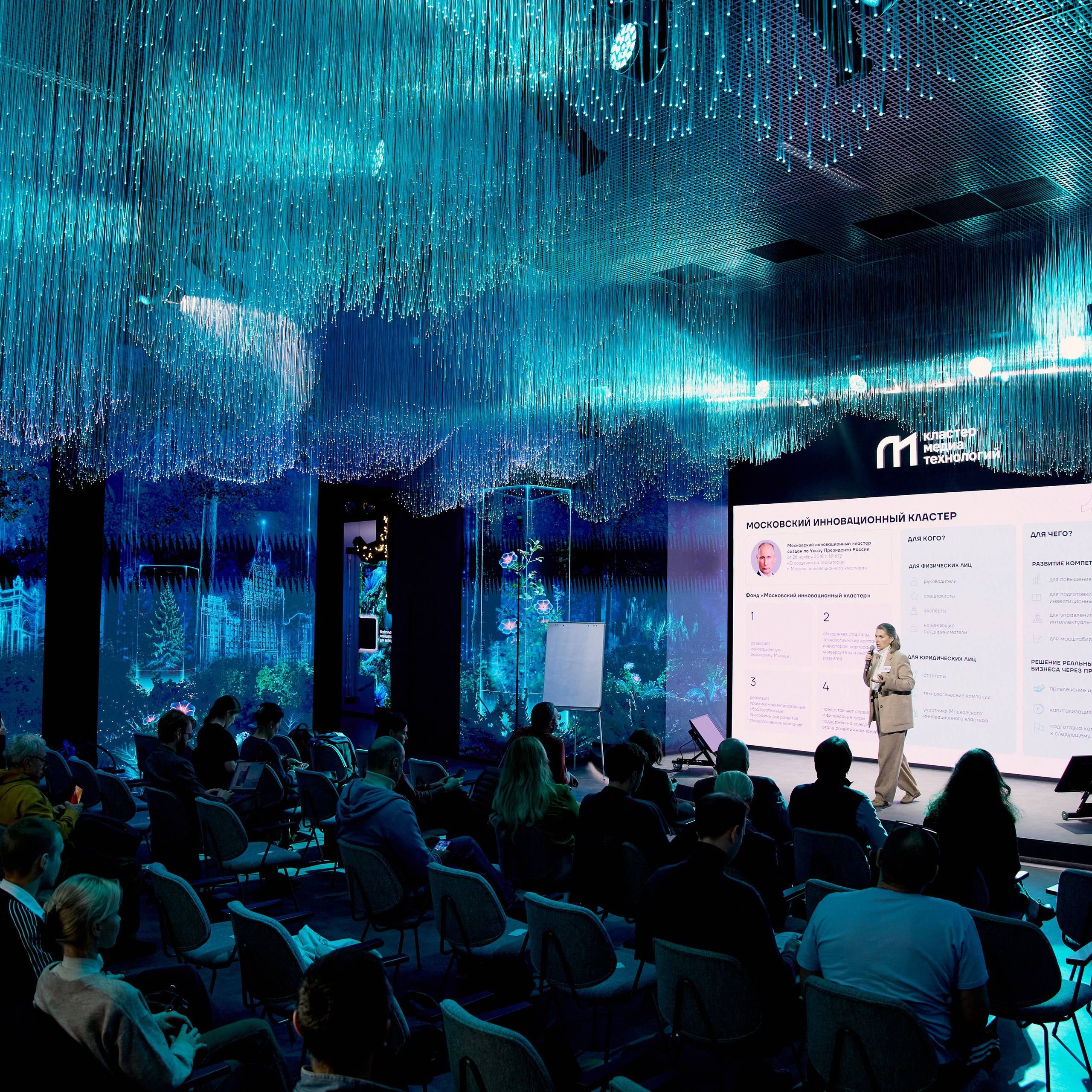
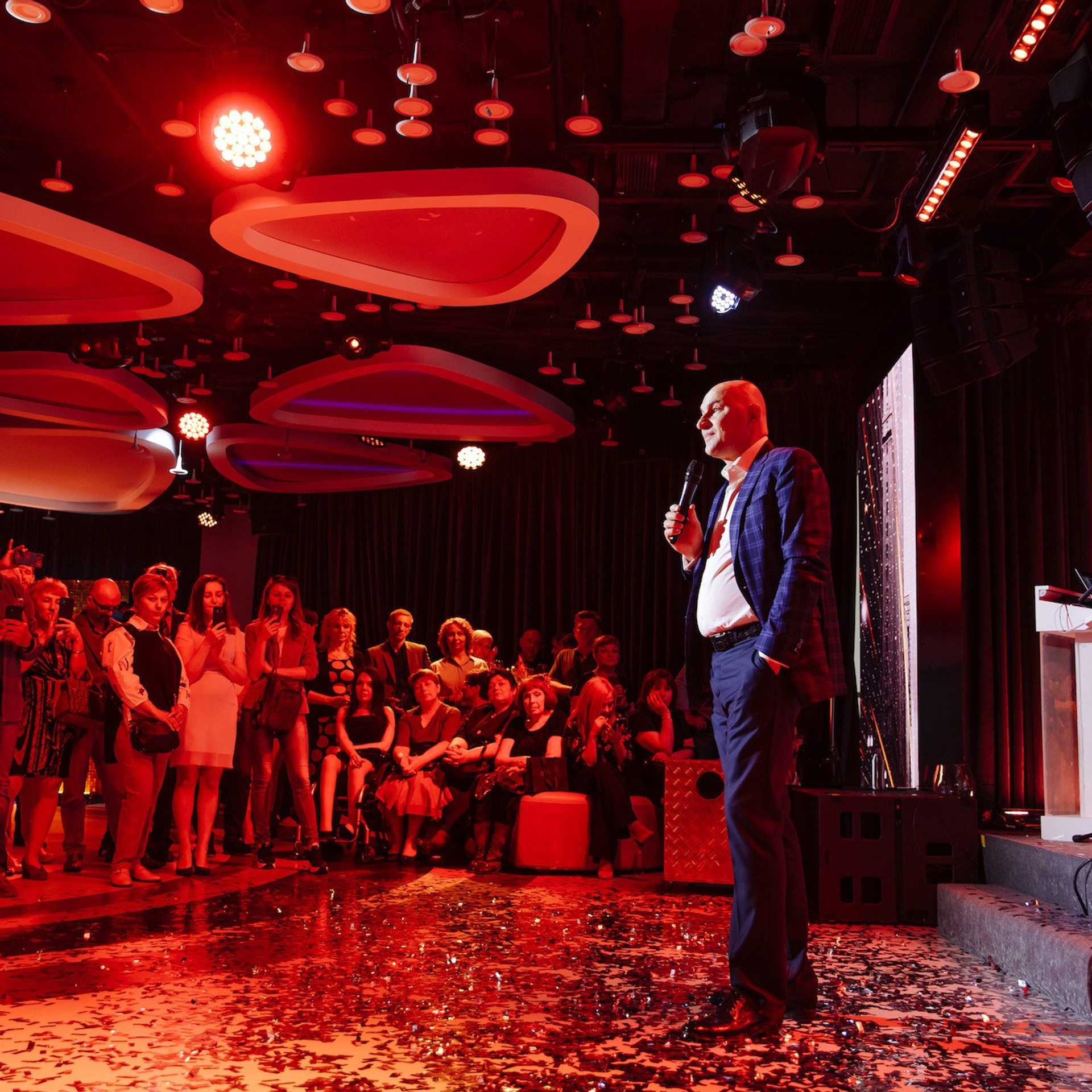
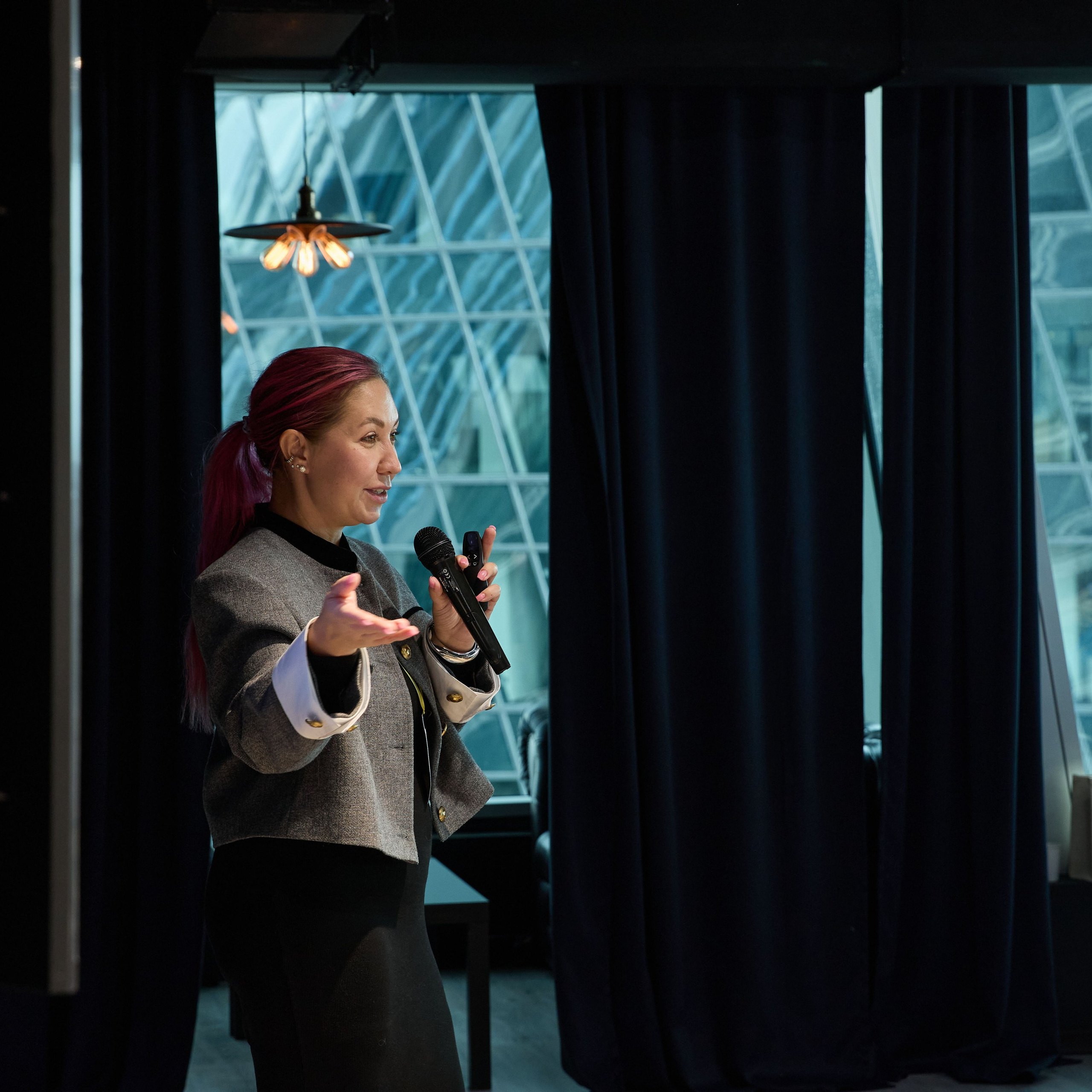
At an exhibition, a booth runs for several days, and every hour has its own job. In the morning, structures go up; during the day, a stream of visitors comes through; in the evening, the results are tallied. Photos that show only an empty booth or only faces next to a screen are of almost no use. What you need is a gallery that tells the story of what the company did at the exhibition.
Below, I’ll break down how an event photographer works at an exhibition, which shots matter, and what should be agreed in advance.
Why an exhibition demands a separate approach
An exhibition is different from a conference. At a conference, guests sit in a hall and watch the stage. At an exhibition, they walk, stop, talk at the booth, leave and come back. A photographer can’t know ahead of time where an interesting moment will be in the next five minutes.
That’s why the work starts not with the camera but with understanding the venue. The photographer looks at the pavilion plan, finds the booth, the neighbours and the aisles. This takes half an hour, but it saves the whole day from being spent hunting for vantage points.
Which shots a booth needs
A good exhibition gallery consists of several groups of shots. If one is missing, the client gets “photos from the booth” that don’t show what actually happened.
Wide shots. The booth as a whole, with the signage and the structure. It’s best to shoot when few people are around, otherwise the booth is hidden behind visitors. These frames are needed for the report and for the website, where the company’s presence in the pavilion should be visible.
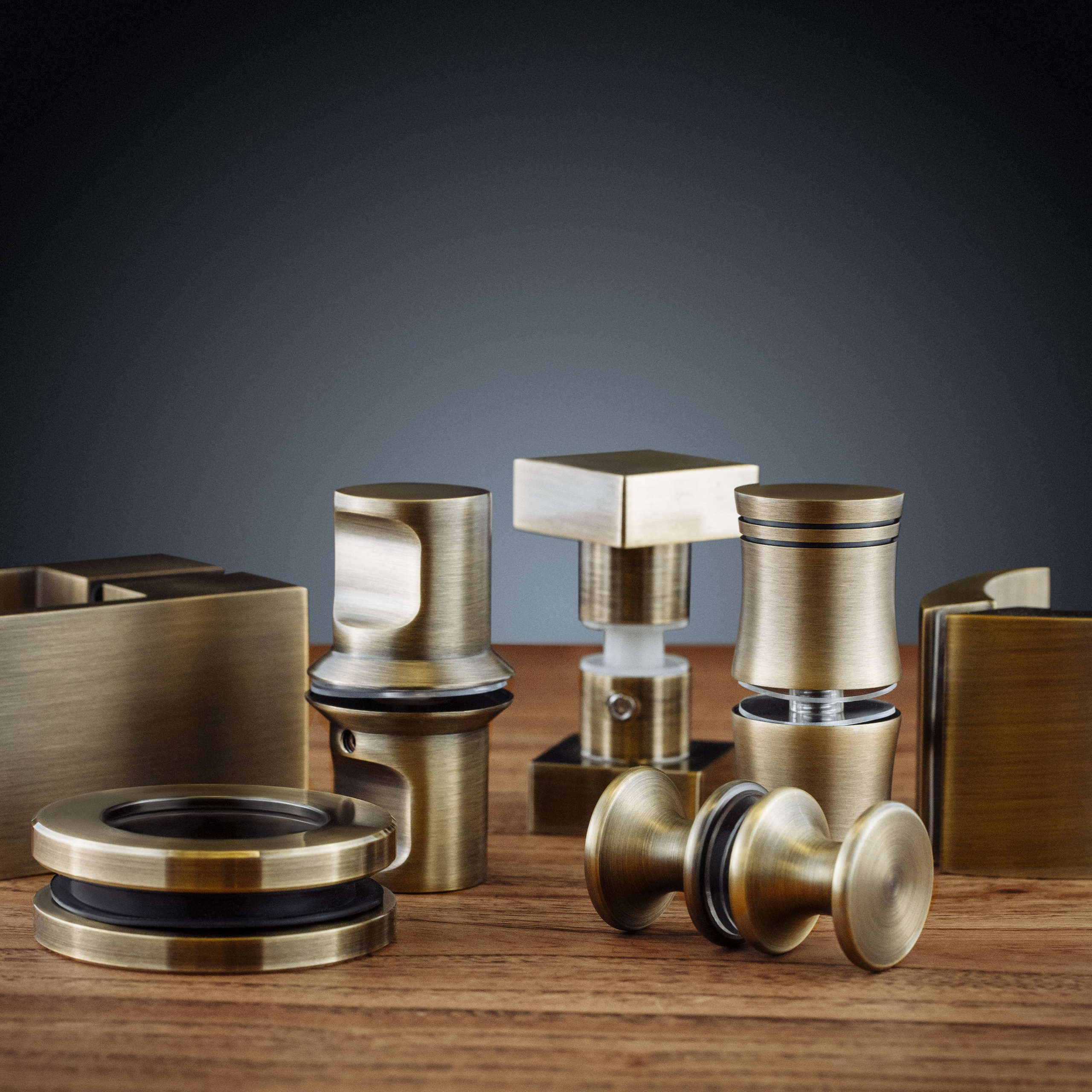
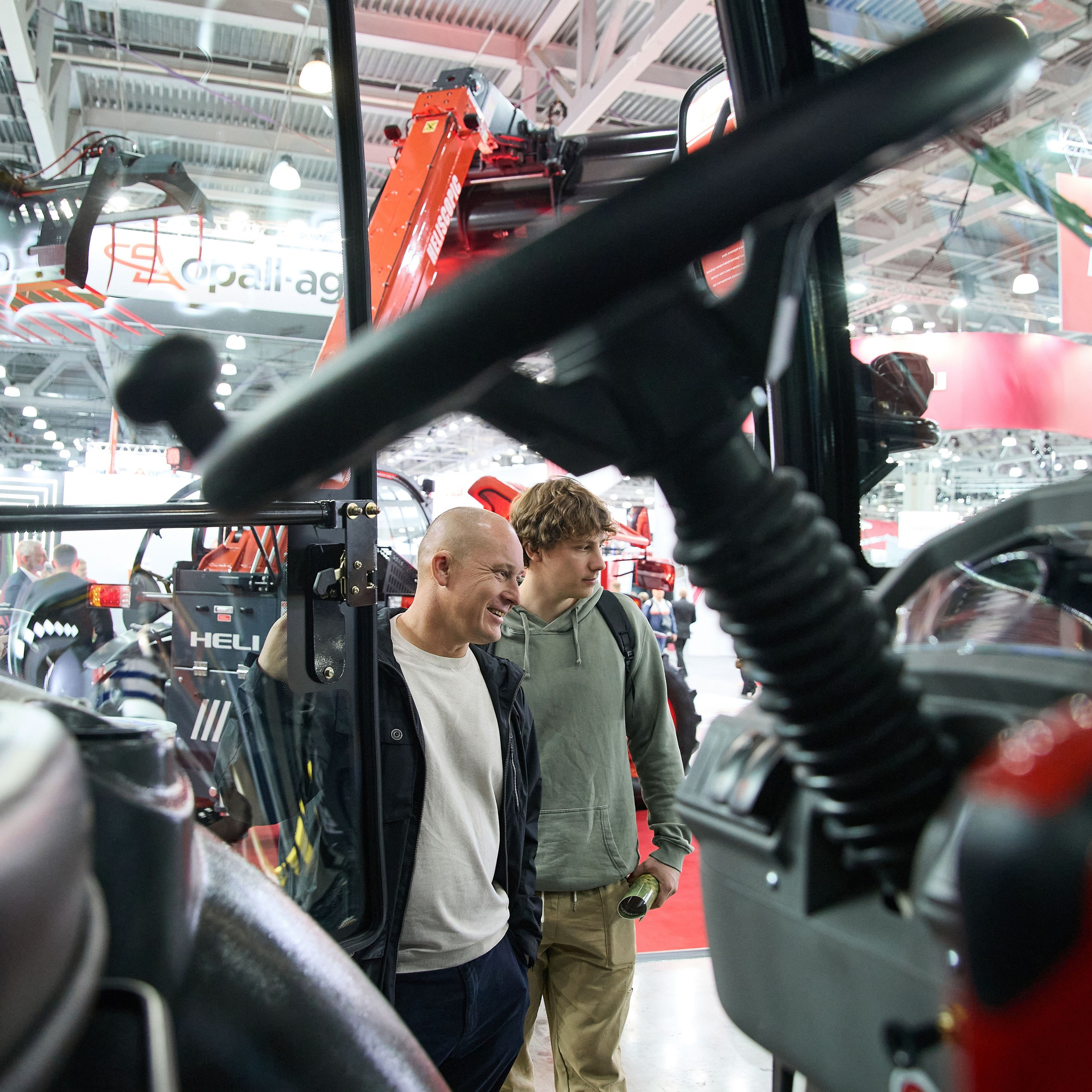
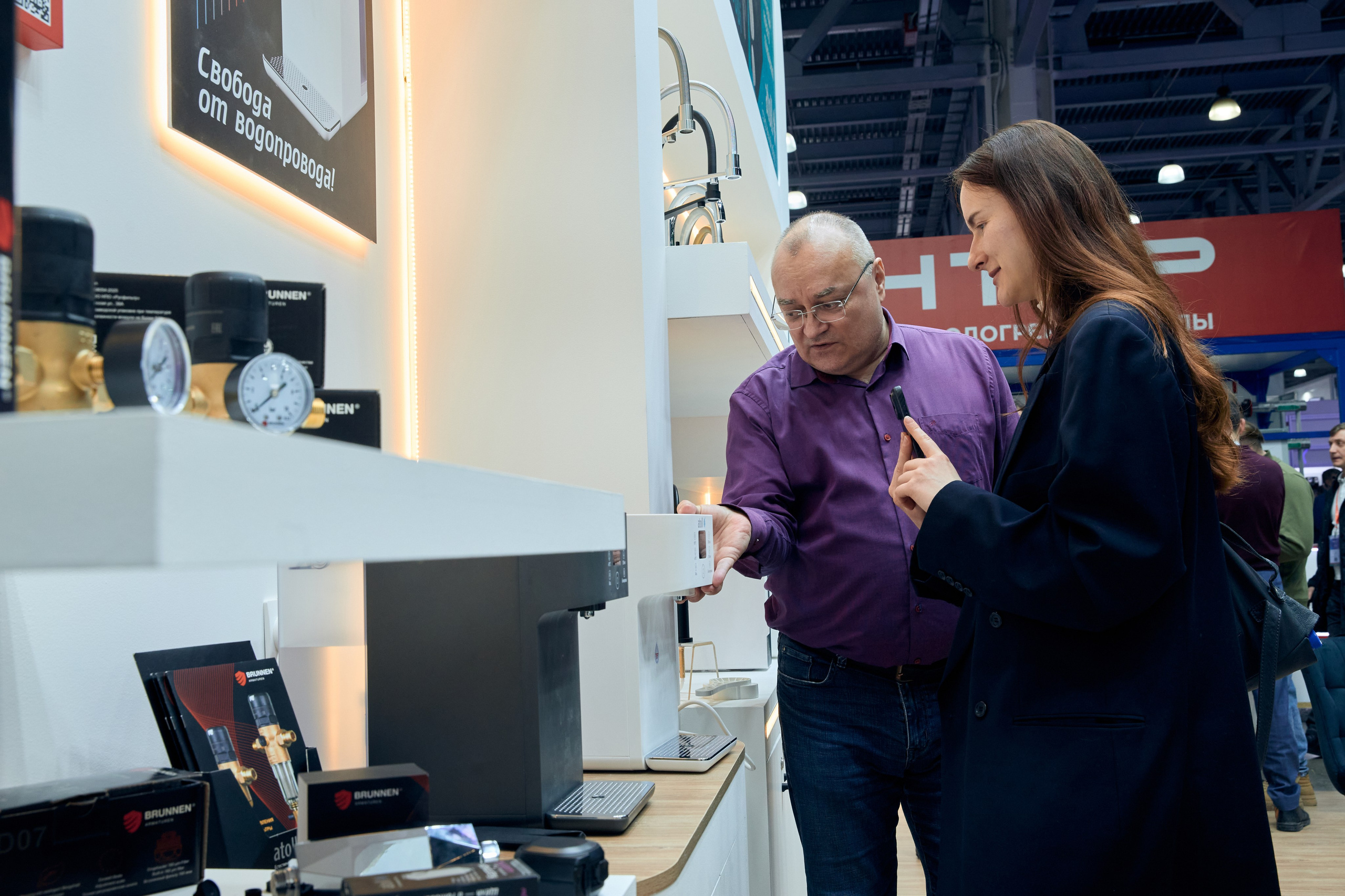
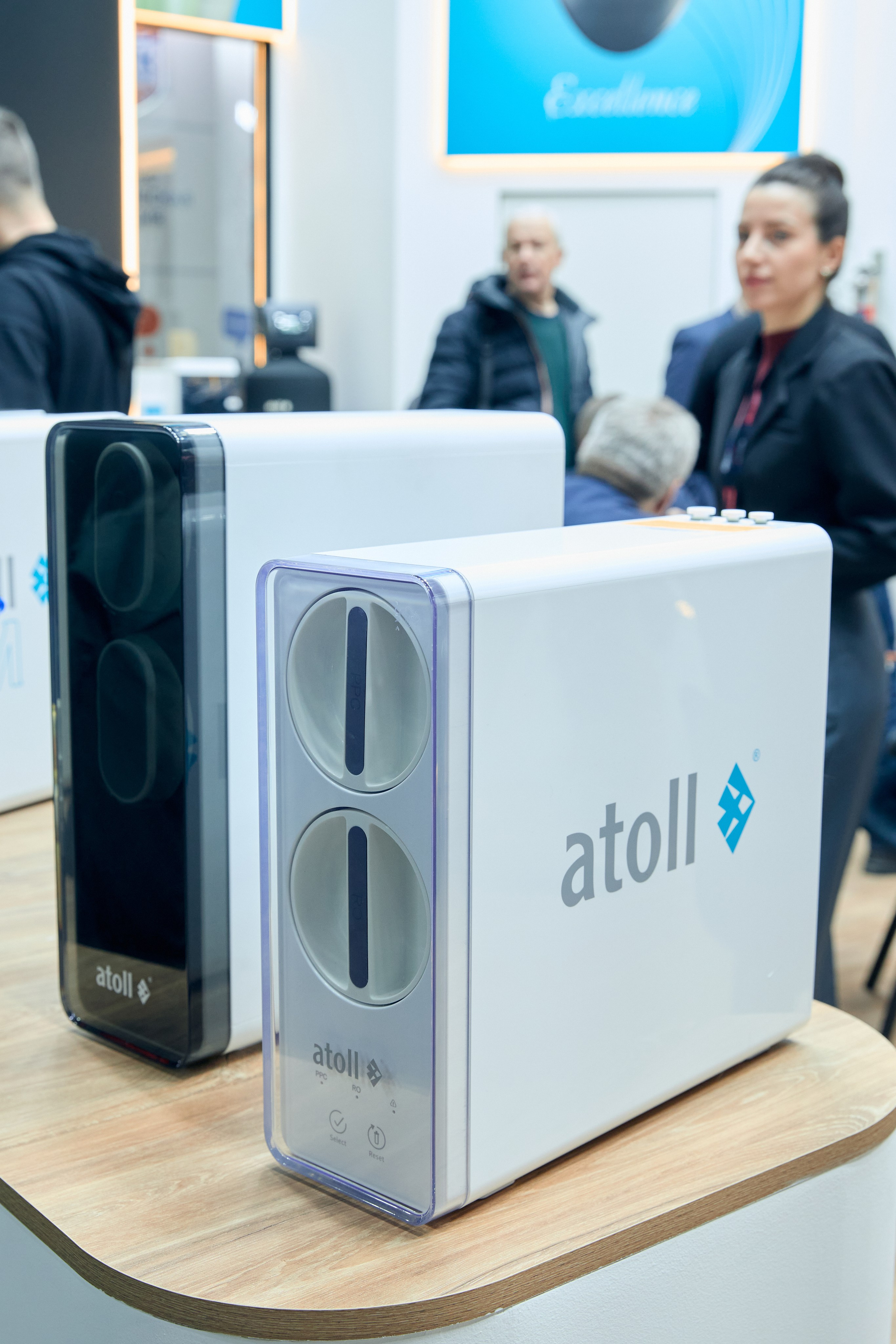
The product. Close-ups of what’s on display: equipment, packaging, a screen with a presentation. The product in the hands of an employee or a guest conveys scale and the sense that it can be touched.
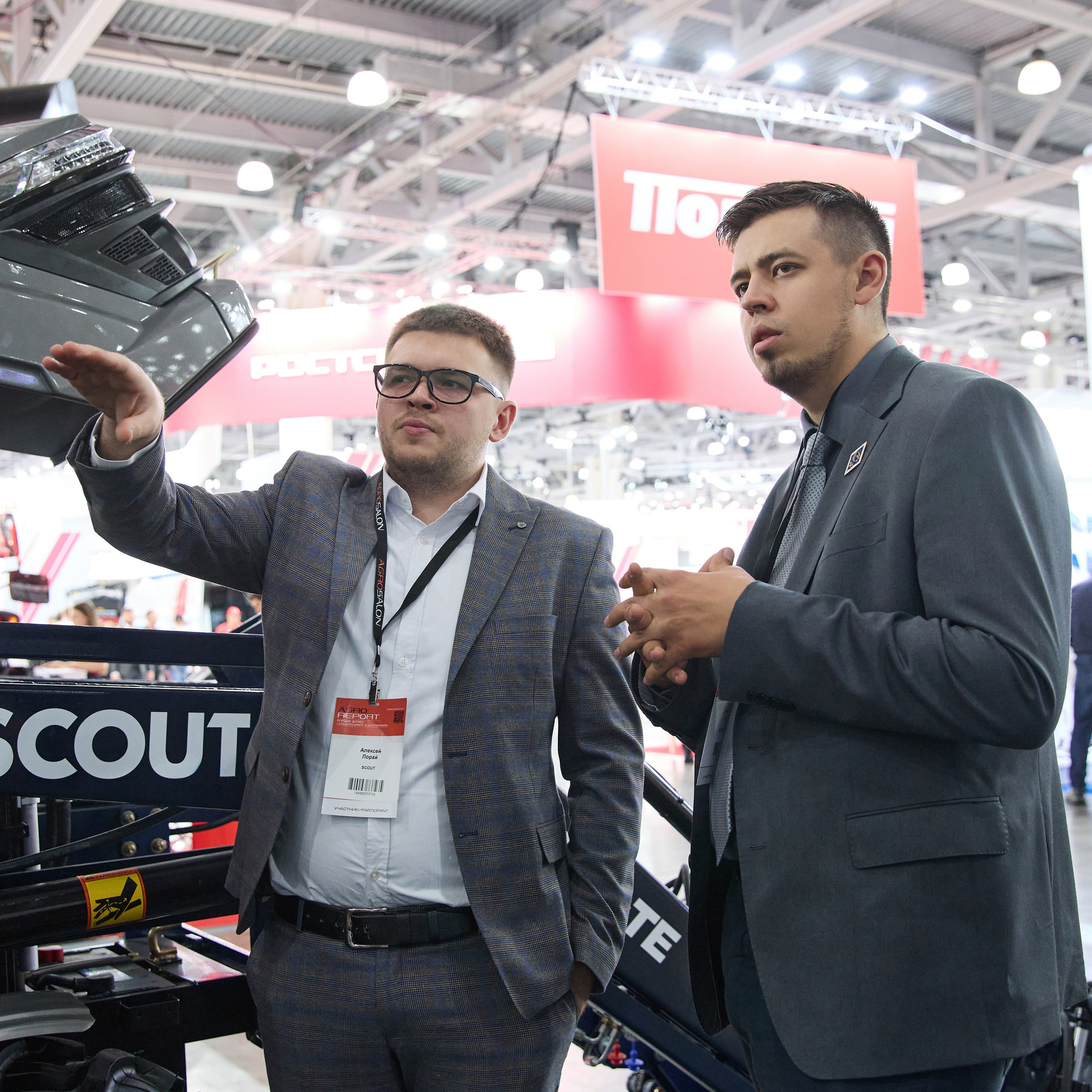
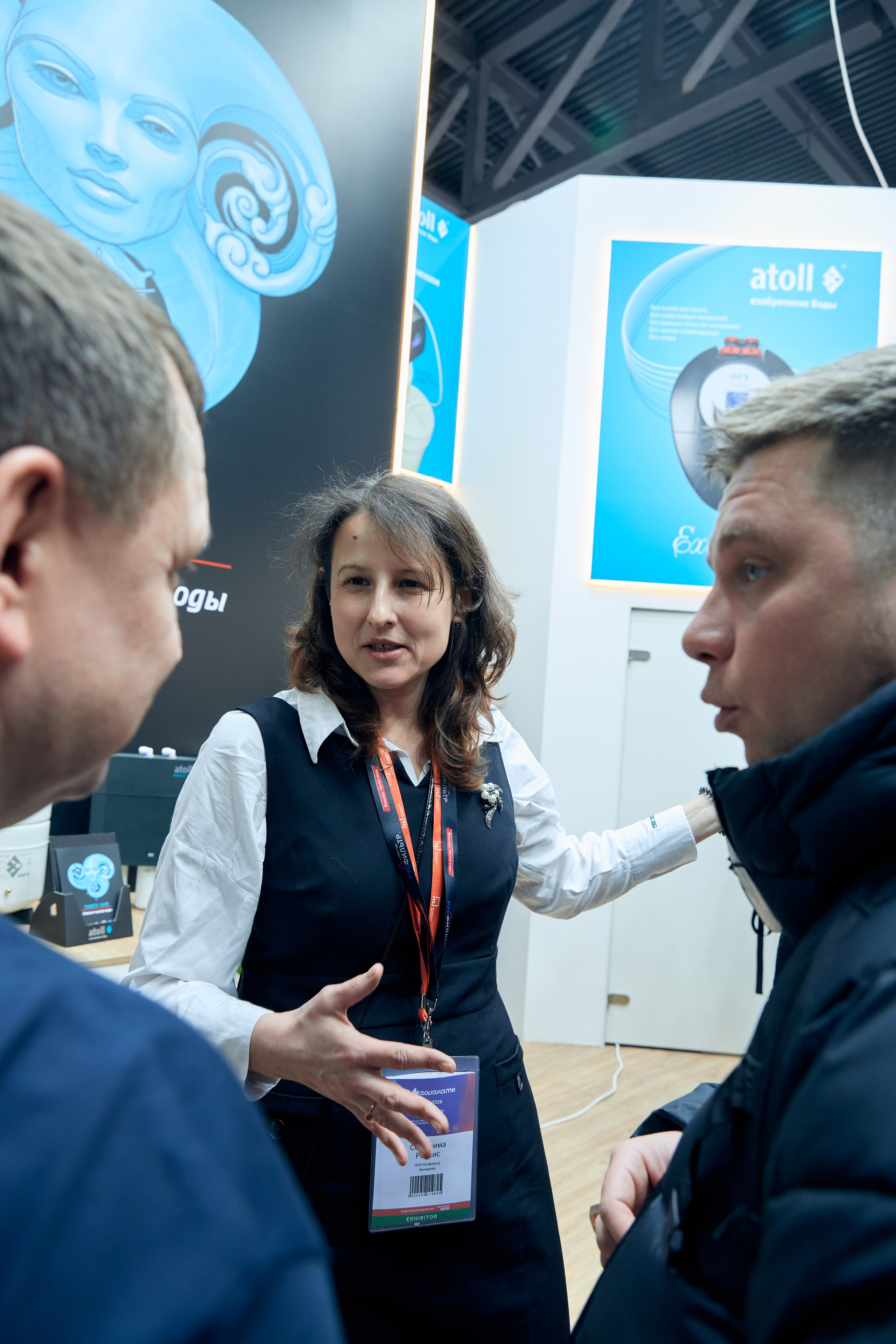
The team at work. Staff at the booth, a conversation with a guest, a demonstration. What matters here is not posing but actually working. Such frames look alive and work well for social media.
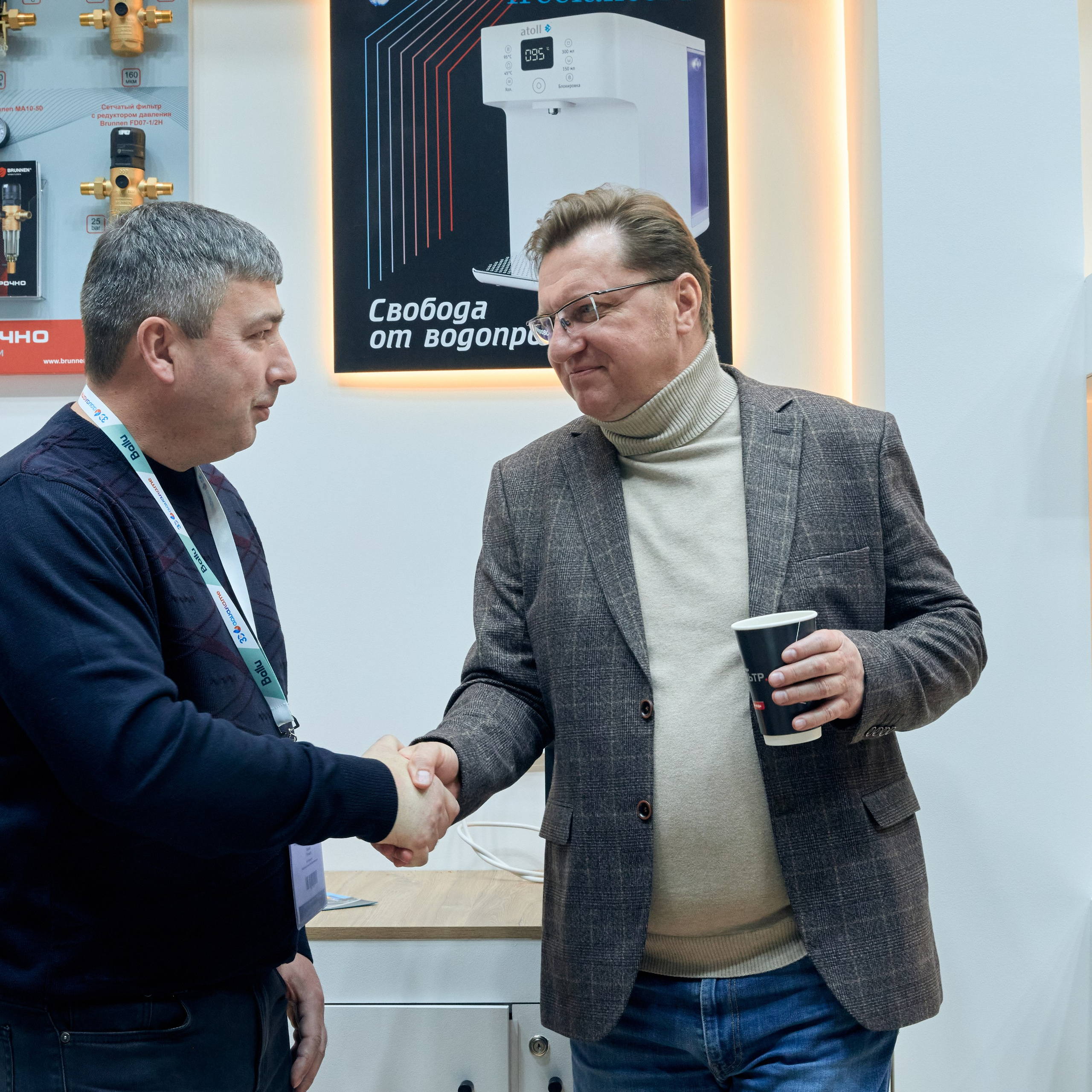
Negotiations and guests. A conversation at the table, exchanging business cards, an introduction to a manager. These shots show that the booth wasn’t just a decoration.
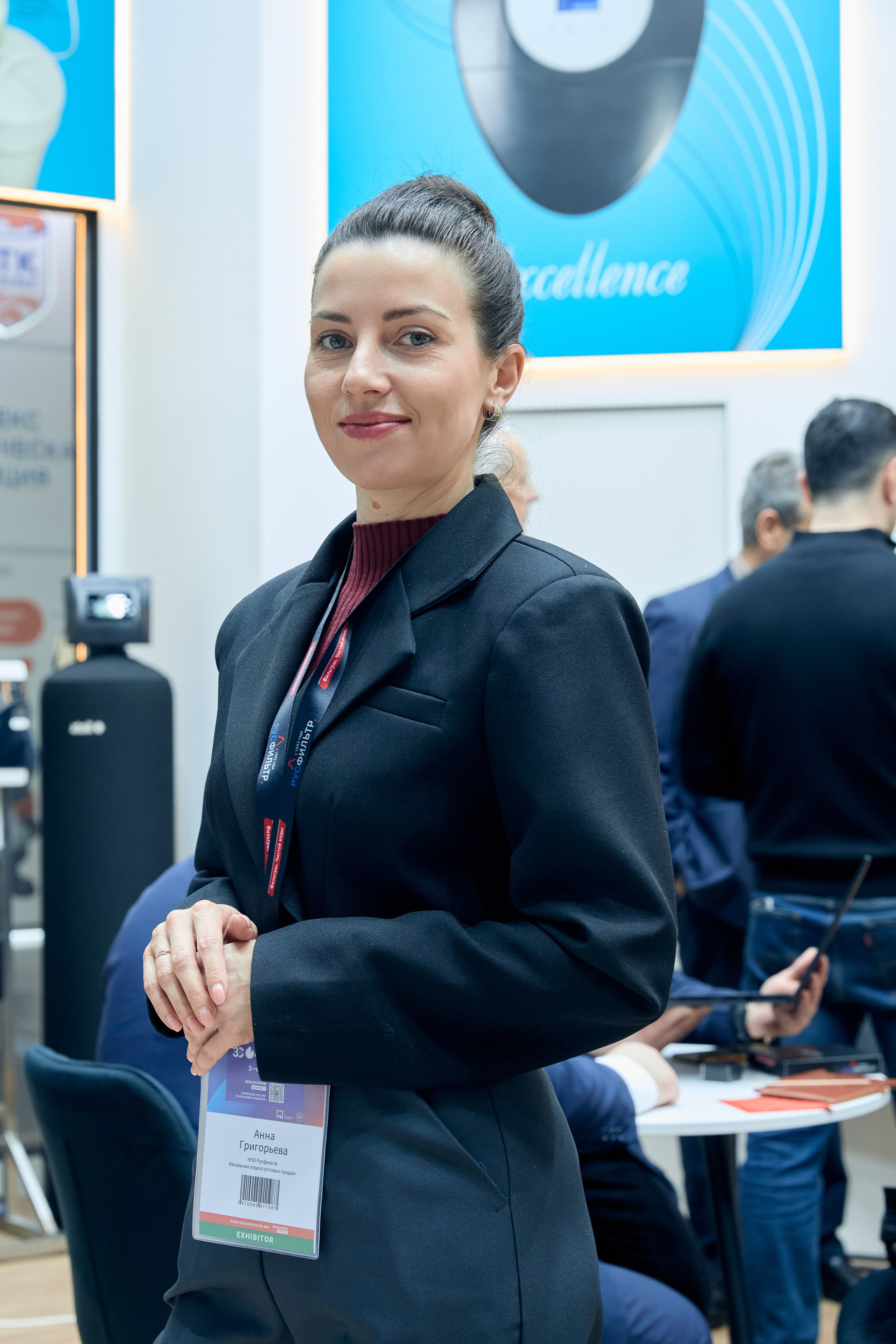
Details. A badge, branded materials, catalogues, the coffee area, a screen with the logo. Details fill out the gallery and help in selecting images for publication.
How to work in the flow of visitors
The flow of visitors is the main challenge of an exhibition. It’s dense in the first hours and during the lunch break, and sparse at the end of the day. The photographer adapts to the rhythm:
- Early in the day, shooting wide shots and the booth setup.
- At the peak of the flow, capturing the team at work and conversations with guests.
- Towards the end of the day, returning to wide shots and taking wrap-up frames.
It’s important that the photographer doesn’t get in the visitors' way or stand at the booth with the camera raised. Better to move along the perimeter and shoot from a distance that doesn’t irritate people. If a guest doesn’t want to be photographed, the photographer must respect that.
What to agree with the organiser and the booth
Exhibition pavilions have their own rules. Most problems arise because these weren’t agreed in advance.
Accreditation. A photographer may only be admitted with a badge. The application is usually submitted by the exhibiting company or the exhibition organiser. It must be arranged in advance: deadlines depend on the venue, and at large exhibitions they can be fairly strict.
Shooting restrictions. Some pavilions prohibit flash or shooting in certain areas. Check this with the organiser or the venue.
Areas where shooting is not allowed. Meeting rooms, closed presentations, competitors' booths. If the company wants to keep something out of the frame, this must be said beforehand.
Photo rights. Determine who owns the images and whether photos with guests can be used in publications. If visitors are photographed at the booth, it’s worth thinking about how to inform them, for example with a sign at the entrance.
Setup days. If the photographer needs to shoot the booth during installation days, that’s a separate shift, and it should be factored into the budget and the contract.
Venues in Moscow
Exhibitions in Moscow take place in different pavilions, and each has its own characteristics: ceiling height, lighting, aisles, the layout of the halls. For example, Crocus Expo, Expocentre and VDNKh differ in scale and in how the entrances and pavilions are arranged. Knowing the venue helps you find your vantage points faster and avoids spending the first hour on reconnaissance.
What the client gets
After the exhibition, the gallery is usually divided into several parts:
- A preview the next day: a few of the most important frames for social media and news.
- The full gallery in 3–7 business days: retouched images across all groups.
- Source files on request, if they’re needed for print or further processing.
This order lets you use the material right away without waiting for the full gallery while the exhibition is still running.
Common mistakes
Shooting only the booth, without people. An empty booth looks like a picture from a catalogue. People need a story, not a decoration.
Not telling the photographer the programme has changed. If a presentation is scheduled at the booth at 14:00, the photographer needs to know in advance, otherwise he’ll miss the moment.
Expecting the photographer to sort things out with the pavilion himself. Accreditation and permits are usually handled through the exhibiting company. The earlier this is done, the less stress on opening day.
Not setting aside time for details. The logo, the badge, the catalogue seem like small things, but without them the gallery looks incomplete.
Checklist before the exhibition
2–3 weeks out:
- Choose the photographer and discuss the format of the shoot.
- Confirm which booths and which days need shooting.
- Start the accreditation process.
A week out:
- Send the photographer the pavilion plan and the booth’s location.
- Agree the shooting areas and restrictions.
- Discuss the booth programme: presentations, demonstrations, important negotiations.
On the day of the exhibition:
- Give the photographer the contact of the person responsible at the booth.
- Show which products and materials should be shot in close-up.
- Agree on a time for the wide shots during a quiet moment. --- If you’re planning to take part in an exhibition and want to understand how much shooting your booth specifically needs, tell me which pavilion you’ll be in, how many days the exhibition runs and what you want to show. I’ll tell you which shots you’ll need.
If you’re planning to take part in an exhibition and want to know how much shooting your booth needs, write to me with the pavilion you’ll be working in, how many days the exhibition runs, and what you want to show. I’ll tell you which shots you’ll need.