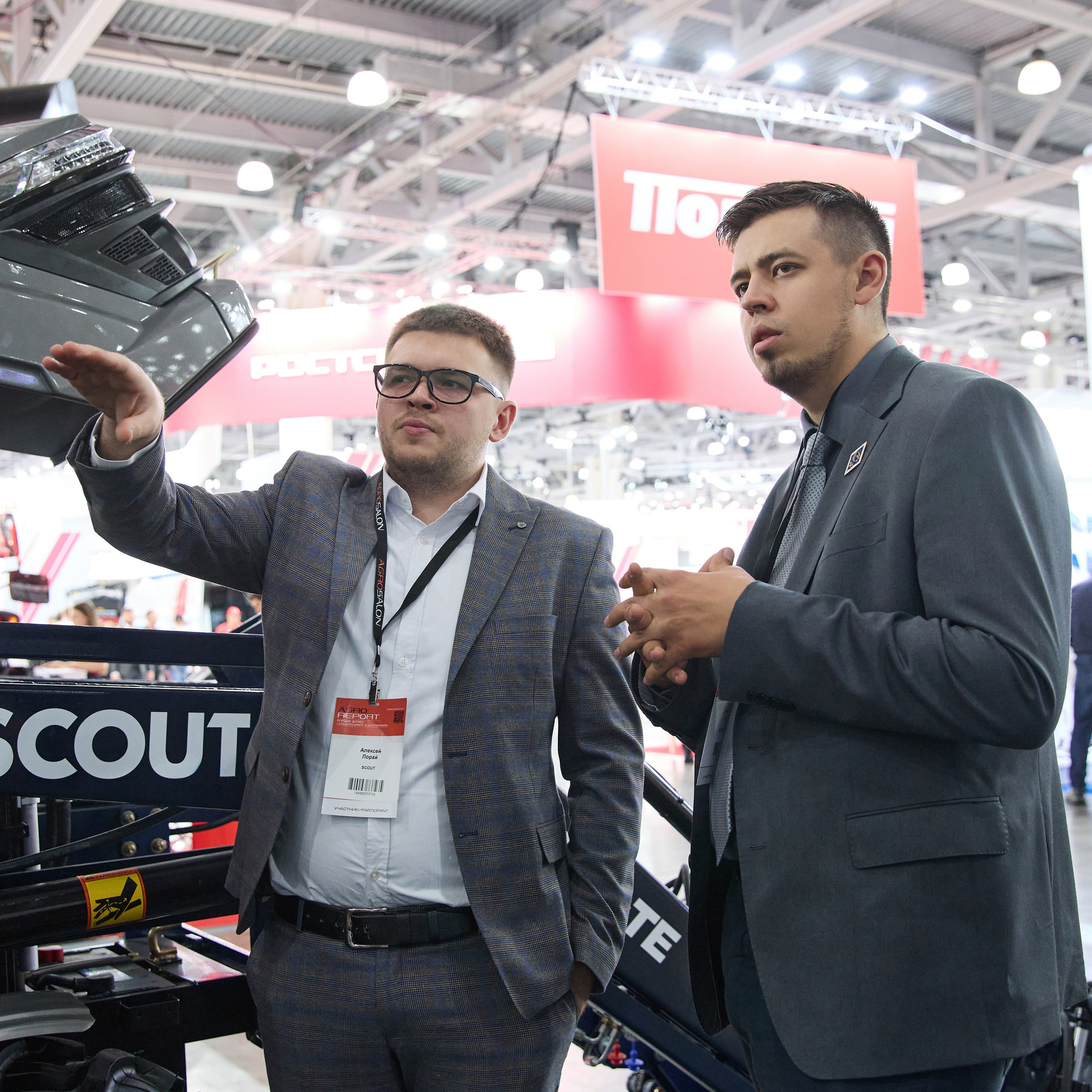
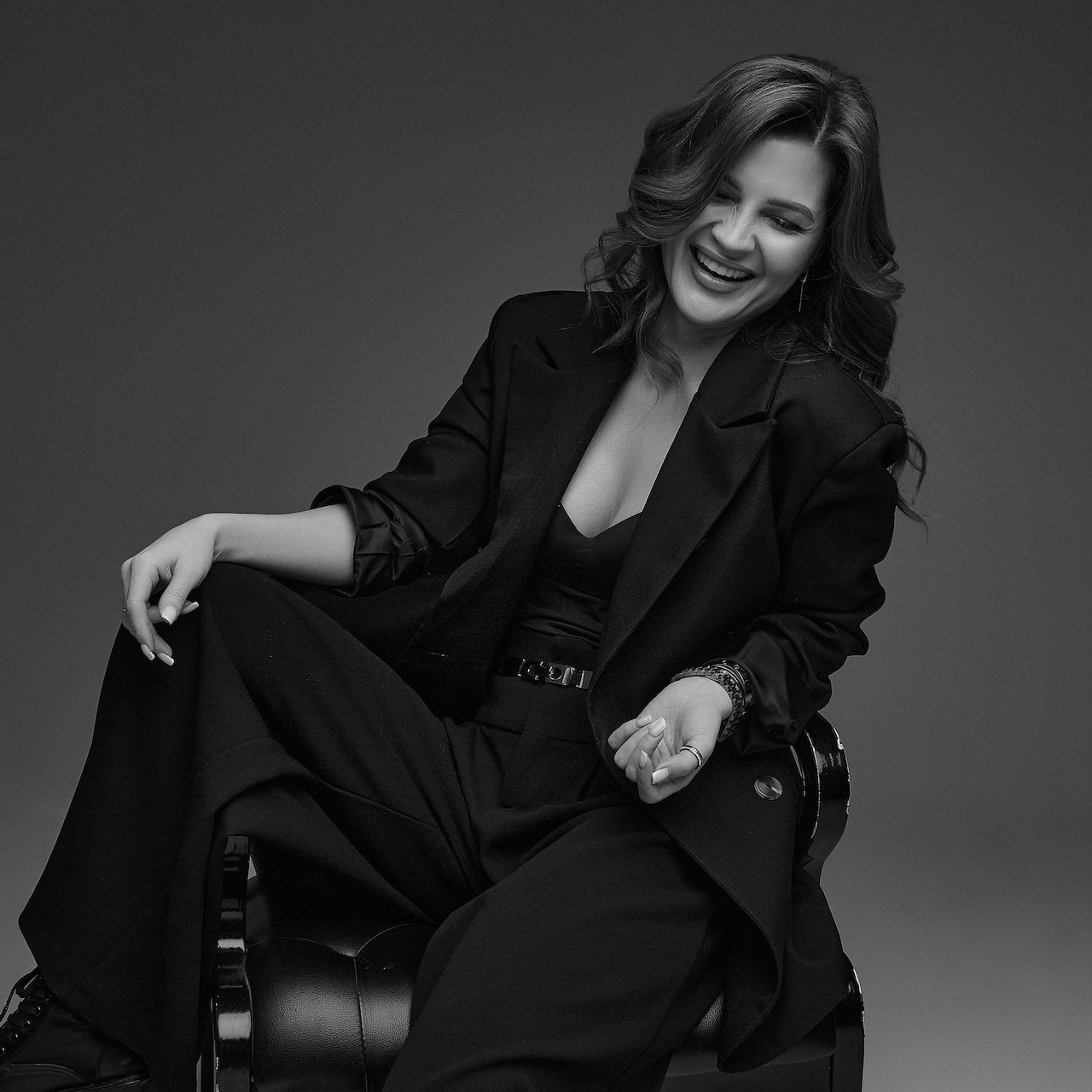
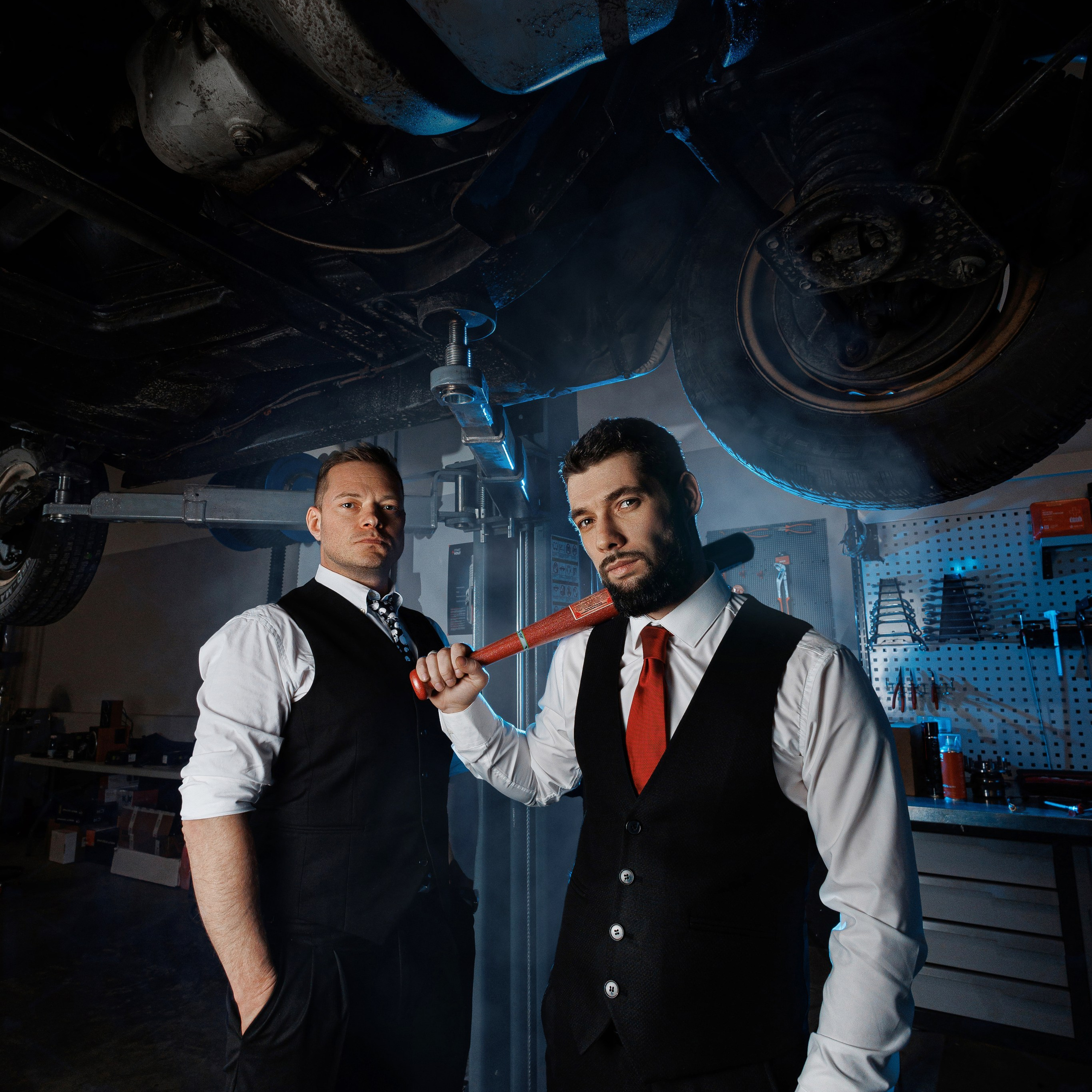
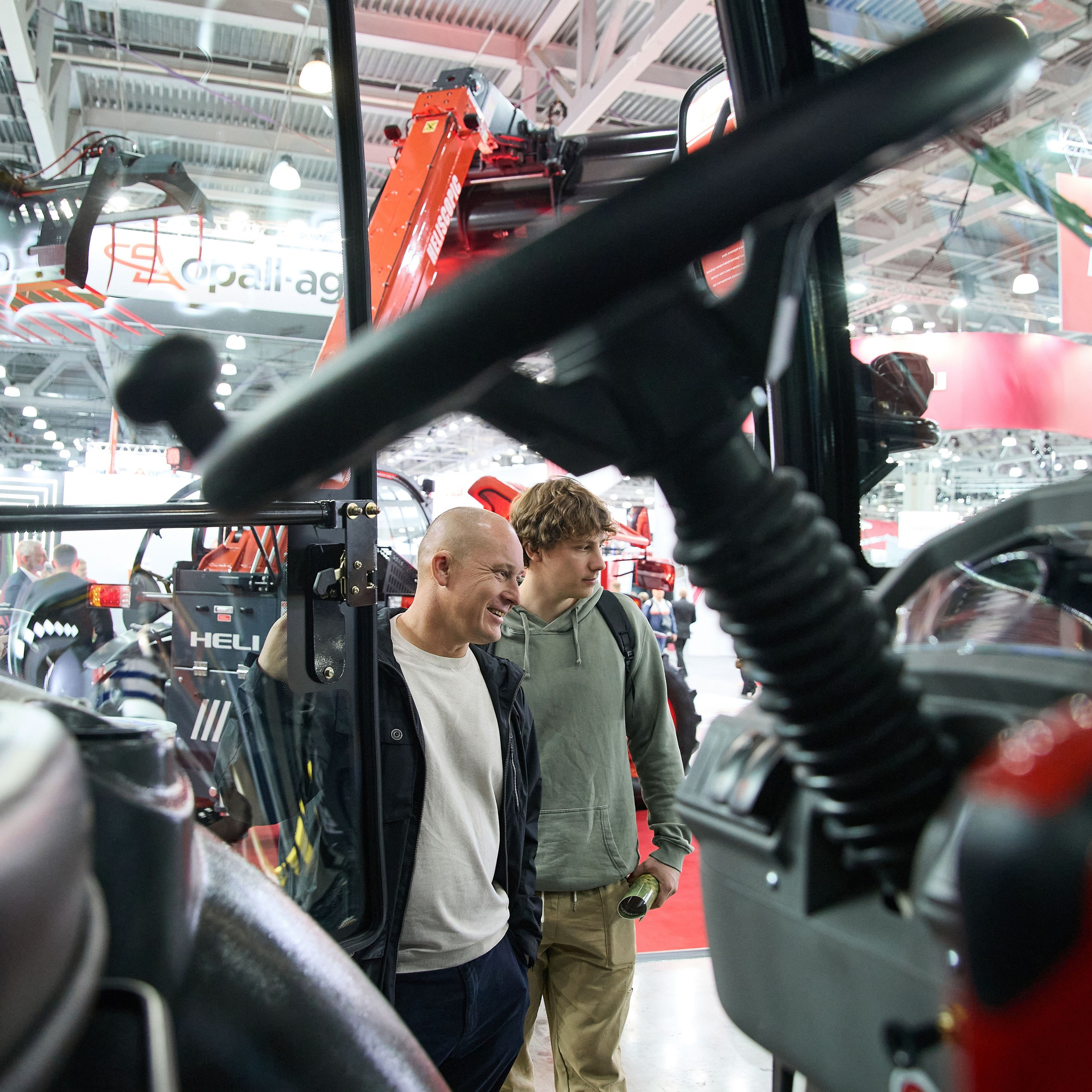
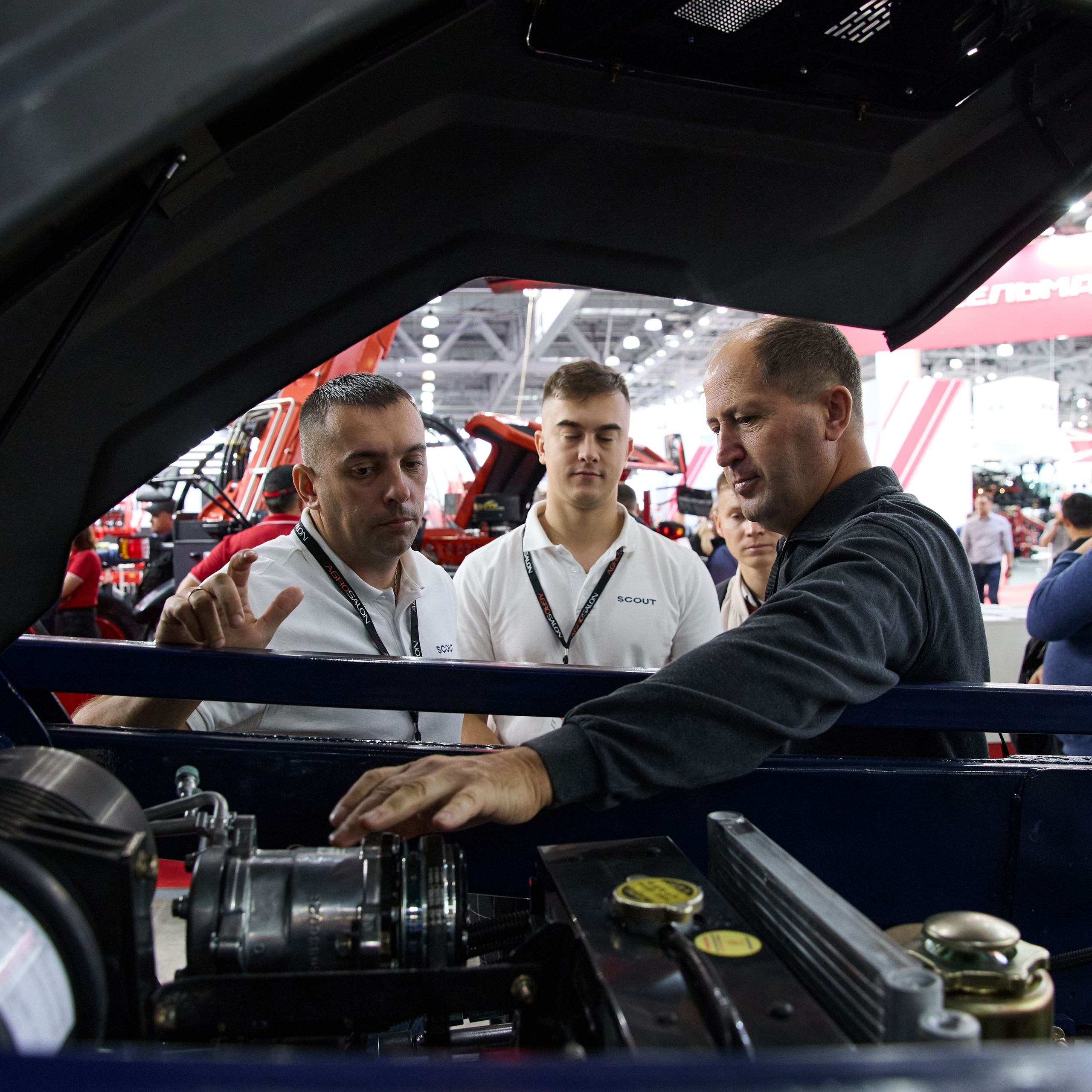
Every photographer’s portfolio looks good. That’s a given: galleries only hold the best frames. The real question is different — can this person shoot your event so that a week later you have material you can actually use?
1. Have you shot events of this format?
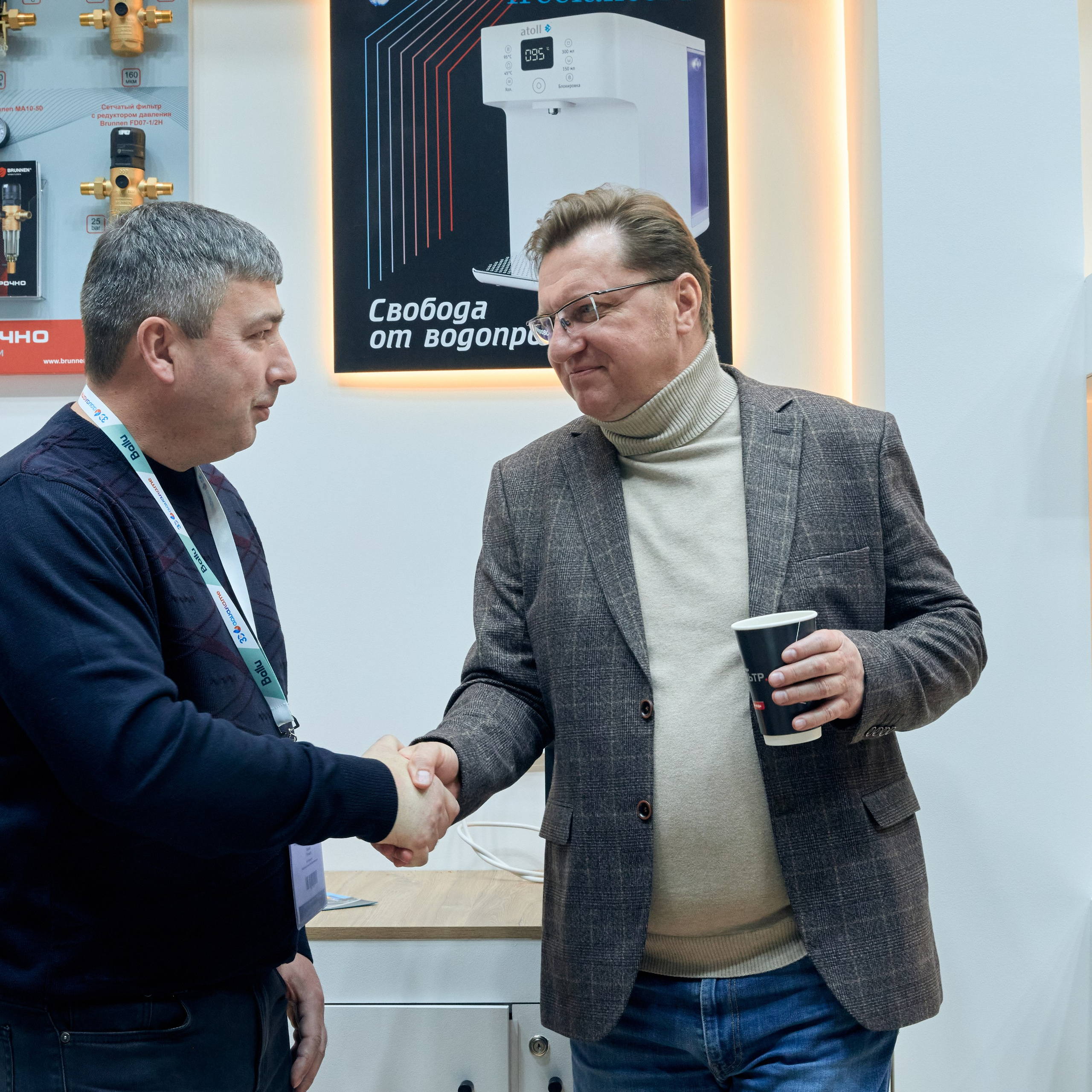
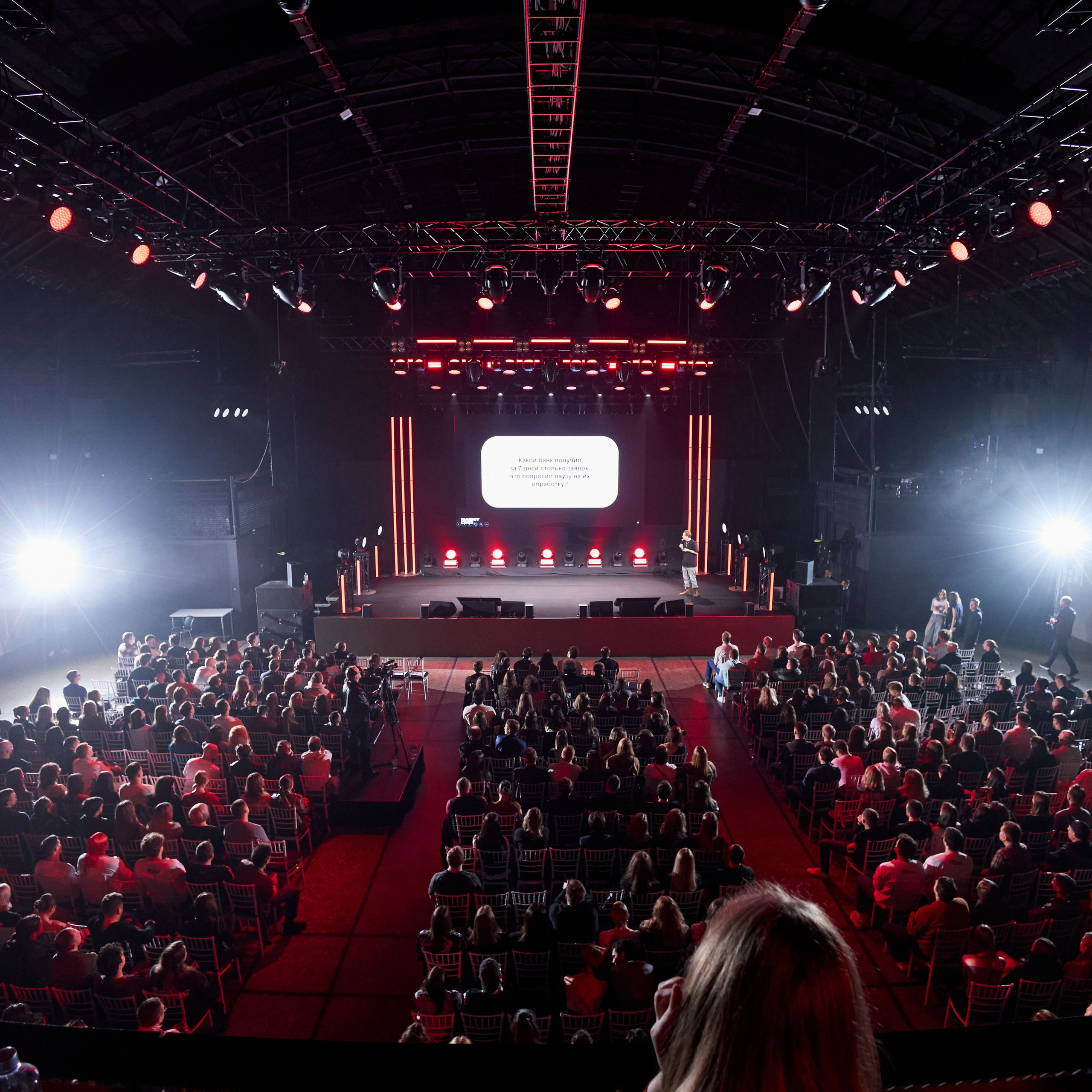
A conference, an exhibition, a corporate party and a closed dinner for executives are different jobs. At a conference, the speakers and the room matter. At a corporate party, the people and the atmosphere matter. A photographer who has only done portraits may not understand how to behave in a room where the programme runs to the minute.
Ask to see 2–3 cases in exactly that format. If there are none, ask how he prepares for an unfamiliar venue.
2. How do you work with the programme?
A good reportage photographer asks questions before the event: what time the speech is, where the awards are presented, when the group photo happens. If he asks nothing at all, on the day he will shoot whatever happens to be nearby rather than what matters.
3. What will be in the gallery, and when?
Clarify three things right away:
- how many retouched photos you will receive;
- when the preview arrives (a few frames the next day);
- when the full gallery will be ready.
For example, with me it’s up to 60 retouched photos from each project, a preview the next day, and the full gallery within 3–7 business days. What matters isn’t the numbers a photographer quotes, but that they are quoted in advance and written into the contract.
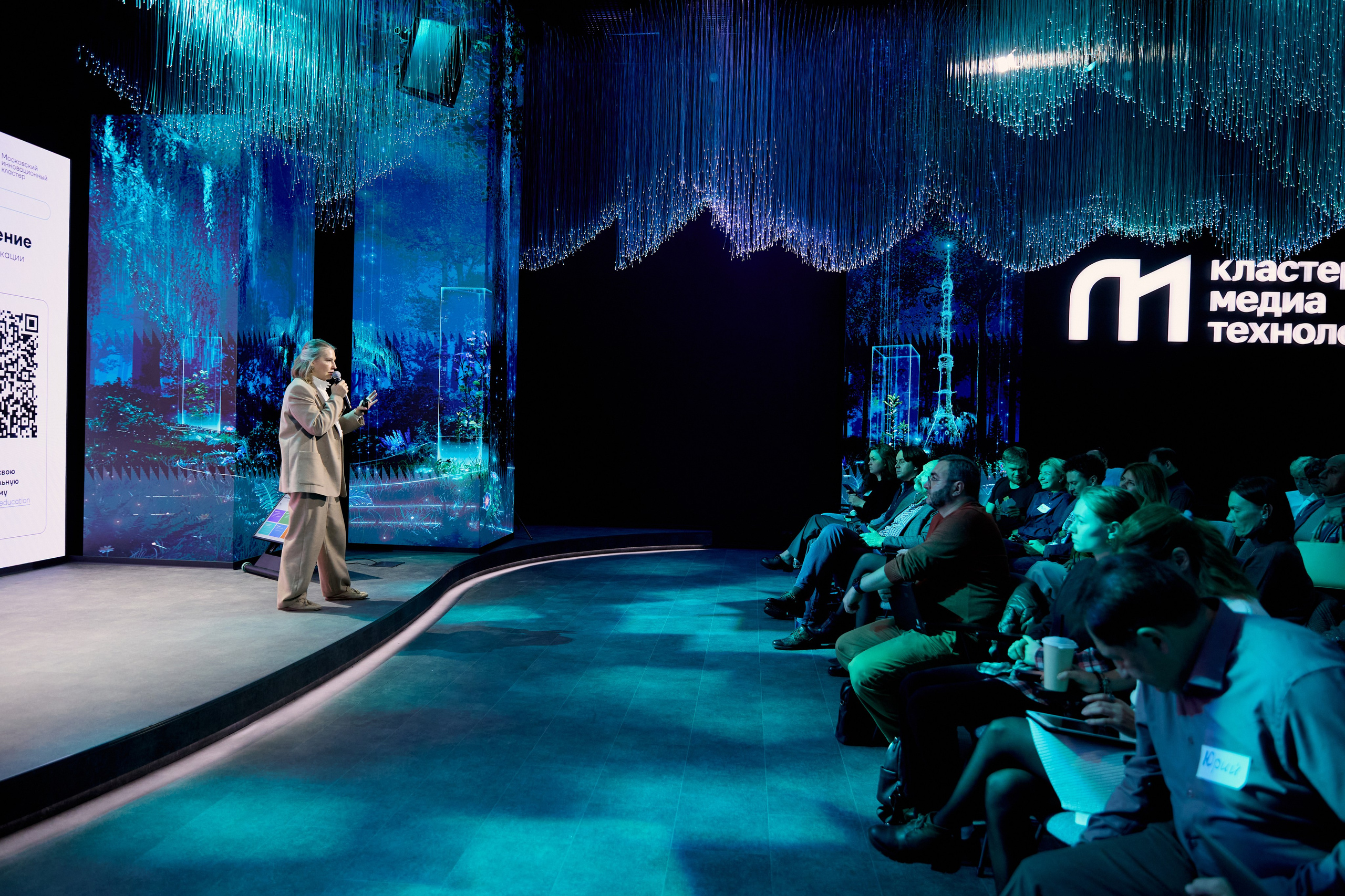
4. Who owns the photos?
The question of rights is often postponed, and then it turns out the photos can’t be published on the website or passed on to employees. Clarify:
- whether the rights belong to the company;
- whether the images can be used on social media, on the website and in press releases;
- whether the photographer’s logo will be on the images or not.
If any of these answers sounds like “we’ll see, ” it’s better to keep looking.
5. How do you interact with guests while shooting?
What matters here isn’t whether a photographer is “outgoing” or “creative.” What matters is how he works with the people in the frame. Ask how he explains to guests what is happening and how he avoids disrupting the programme.
A reportage photographer shouldn’t call people into the frame, rearrange their poses, or stop a speech for a better angle. If a photographer often says “let’s do that again, ” he’s shooting staged photos, not reportage.
6. What do you do if you miss a moment?
The question sounds odd, but the answer says a lot. Any photographer at a large event will miss something. What matters is how he approaches it: whether he understands which shots were critical and whether he can tell the organiser in advance.
A good answer sounds like this: “I mark the key moments in the programme and stay in touch with the organiser. If something changes, I immediately know where I need to be.”
7. Look not only at the best shots, but at the shoot as a whole
One lucky gallery proves nothing. Look at three or four full projects: individual frames may be selected from hundreds, but the whole story of an event is only visible in the full set. Pay attention to three things:
- whether there are wide shots and details, not just close-up faces;
- whether the quality is consistent across the whole gallery;
- whether it’s clear the photographer understands how the event unfolds.
The takeaway: a short checklist
- There are cases in a similar format.
- The photographer asks about the programme and the audience.
- Timelines and gallery volume are written into the contract.
- Photo rights are described clearly.
- The photographer doesn’t pose people unnecessarily.
- There’s a plan for a missed moment.
- A full gallery, not just one selection, holds together.
If you’re already choosing a photographer and want to know whether a particular option fits your task, write to me about the event you’re planning and the result you need. I’ll tell you which questions to focus on in your specific case.